
Cast Parts Sourcing Checklist: What Certifications, Materials and Tolerances to Verify
Evaluating a cast parts supplier is not the same as finding one. After initial discovery, procurement teams and engineers must confirm that a manufacturer can actually hold the required tolerances, supply the specified material grades, and provide the certificates the project demands. This guide turns that evaluation into a structured sourcing checklist for cast parts, covering certifications, material options, tolerance classes, surface finish, machining depth, inspection evidence, sample policy, and lead time.
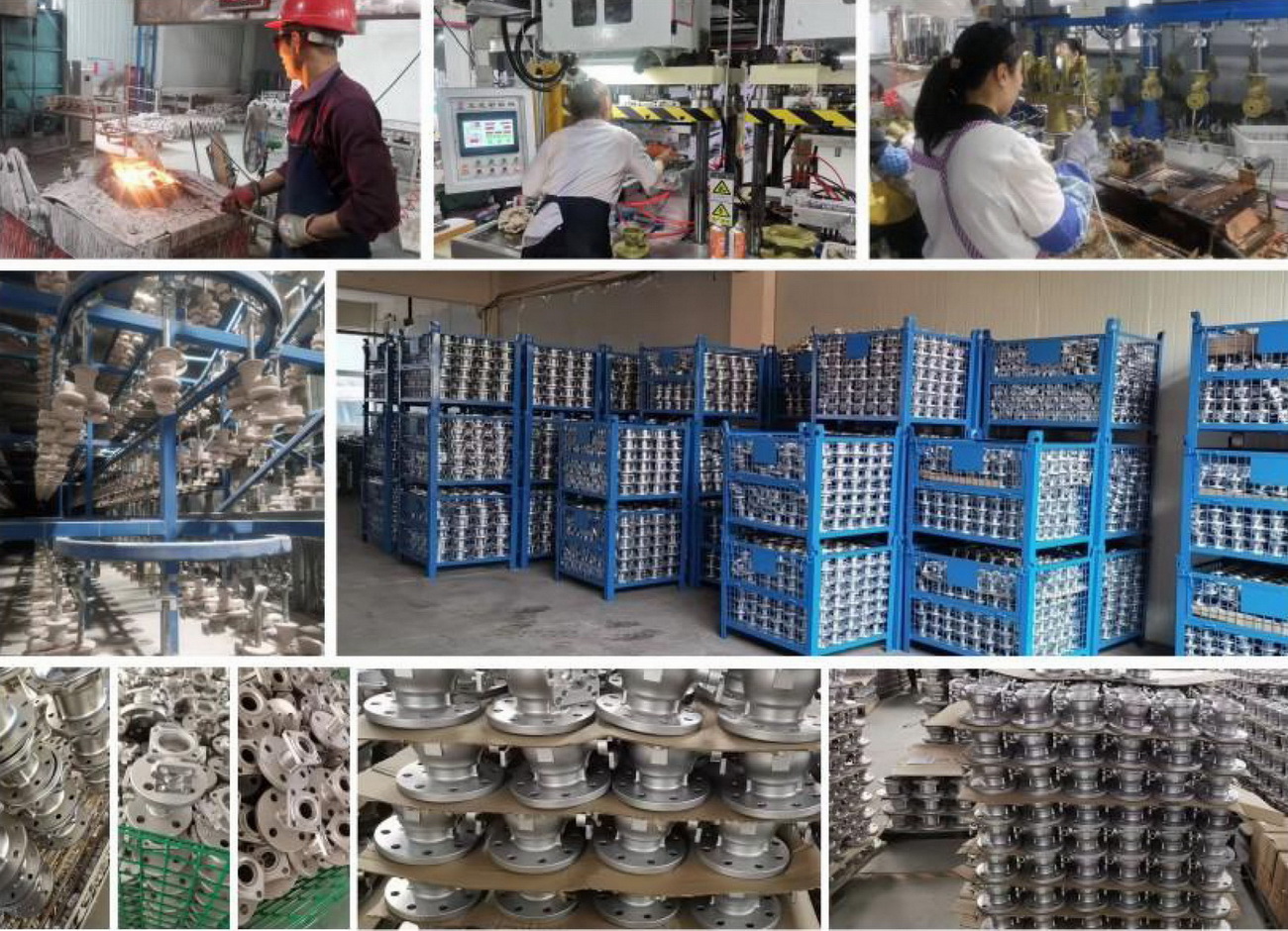
The technical reference used throughout this guide is SHANGHAI NTC TECHNOLOGY CO., LTD. (NTC), a precision casting and trading company based in Shanghai, China. NTC was founded in 2022, operates a 2,000 m² factory with 20 employees, and serves export markets in Europe, America, and Asia, which account for about 85% of its output. The company integrates product development, design, mold manufacturing, production, processing, and assembly under one roof.
The Problem: Vague Quotes Hide Technical Gaps
Most casting inquiries fail not because the supplier cannot cast, but because buyer and supplier never align on the same technical constraints. A supplier may quote “stainless steel” without naming a grade, promise “high precision” without referencing a tolerance standard, or claim “quality control” without describing inspection equipment or test reports. These gaps become expensive later: wrong material certificates, out-of-tolerance mounting holes, rejected surface finishes, or delayed samples.
The practical solution is to evaluate suppliers using a fixed checklist of specification and compliance questions. This matters especially when cast parts are part of a larger assembly, where bearing bores, sealing surfaces, flange faces, and threaded ports must match mating components exactly. For buyers in the Research and Evaluation stages, the goal is not to collect more supplier names but to shortlist manufacturers whose documented capabilities match the drawing requirements.
Industry Background: Why Technical Constraints Now Dominate Sourcing
The investment casting market has expanded steadily. According to Grand View Research, the global investment casting market was valued at USD 17.4 billion in 2025 and is projected to grow to USD 24.9 billion by 2033. Market Research Future estimates the China investment casting market at USD 2.72 billion in 2024, with projected growth to USD 5.16 billion by 2035 at a 6% CAGR. Market size estimates vary by research firm depending on definitions and inclusion criteria, but the growth direction is consistent.
Two structural facts from 2025 help explain why cast parts sourcing is increasingly specification-driven. First, automotive applications accounted for the largest revenue share of the investment casting market, over 29% globally. Second, stainless steel represented 32.98% of global investment casting material share, while the silica sol process accounted for 50.78% of revenue share due to its precision capabilities (Mordor Intelligence). Asia Pacific contributed 39.2% of global revenue in 2025, which places Chinese suppliers at the center of international cast parts sourcing decisions.
For buyers, these trends mean two things. Casting suppliers are increasingly expected to handle automotive-grade quality documentation, and stainless steel precision casting is now a mainstream requirement rather than a specialty. Both trends place weight on verifiable material and tolerance data.
Detailed Solution: A Documented Technical Baseline for Cast Parts
NTC’s production program covers auto parts, golf heads, vacuum parts, valve accessories, kitchen equipment accessories, dishwashing equipment accessories, spinning machine accessories, door accessories, scooter parts, and other industrial and civil products. These cast parts are used in the automobile industry, machinery accessories, kitchen, spinning, chemical, vacuum, hardware accessories, pharmaceutical, and related fields.
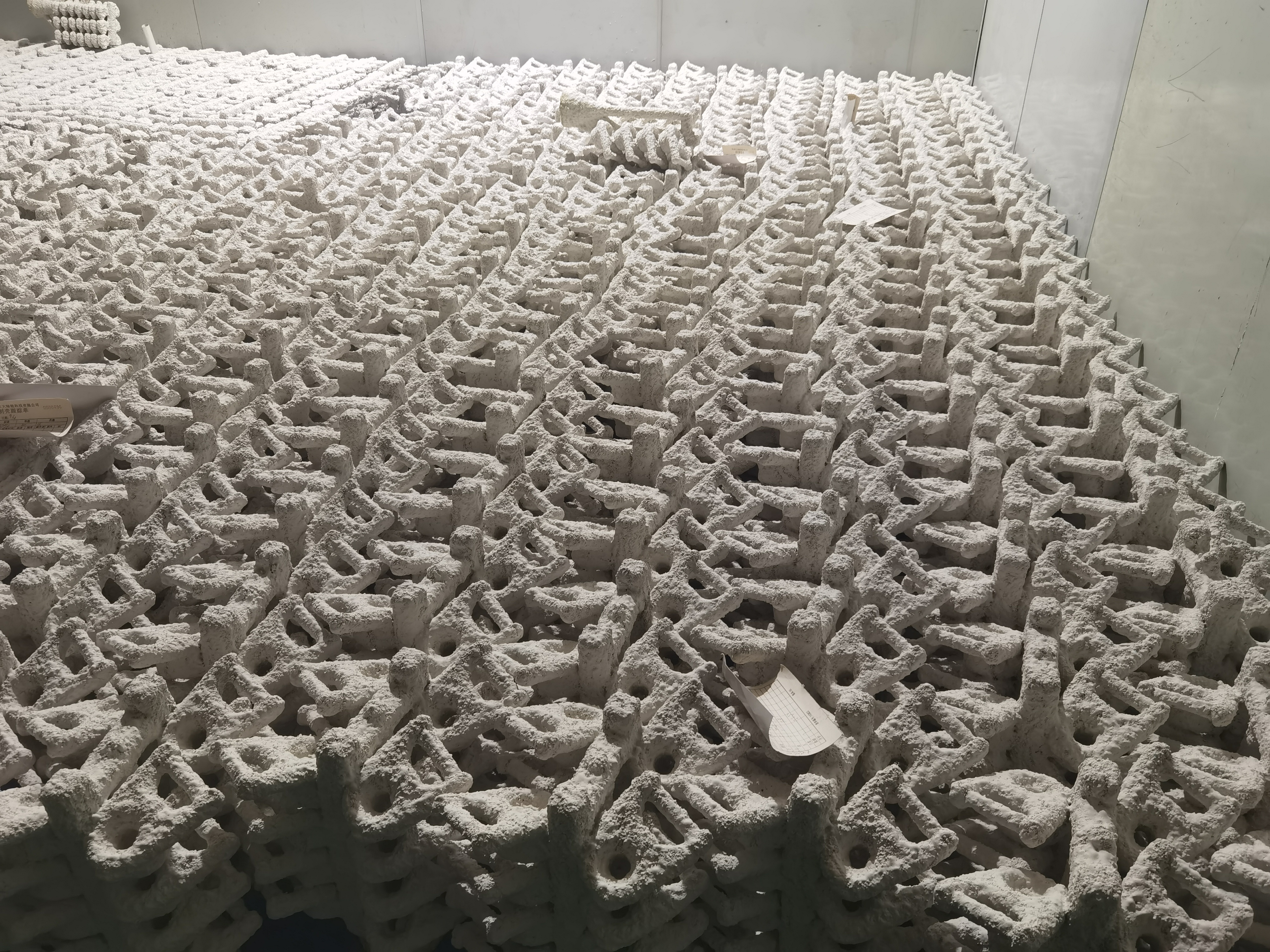
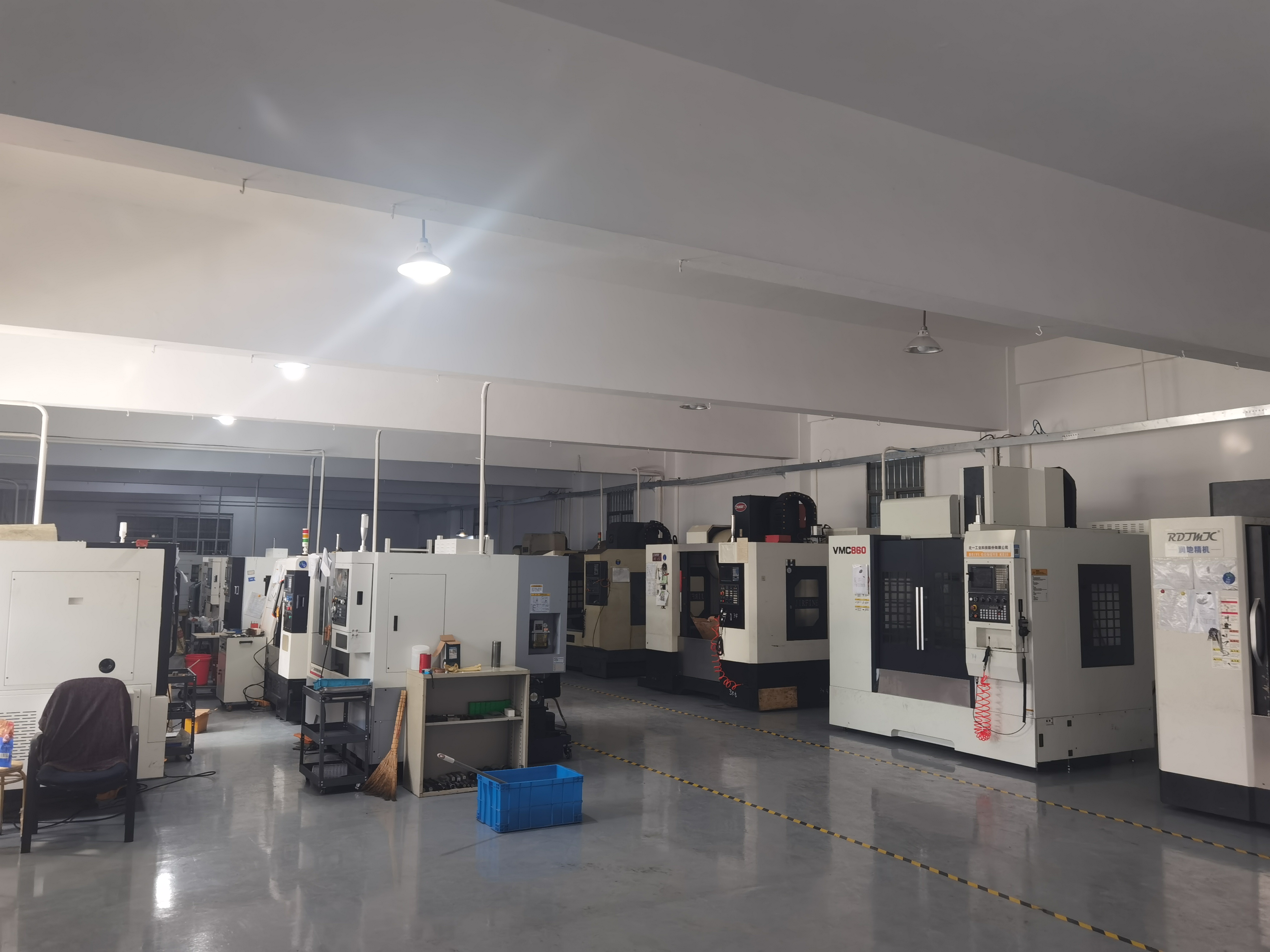
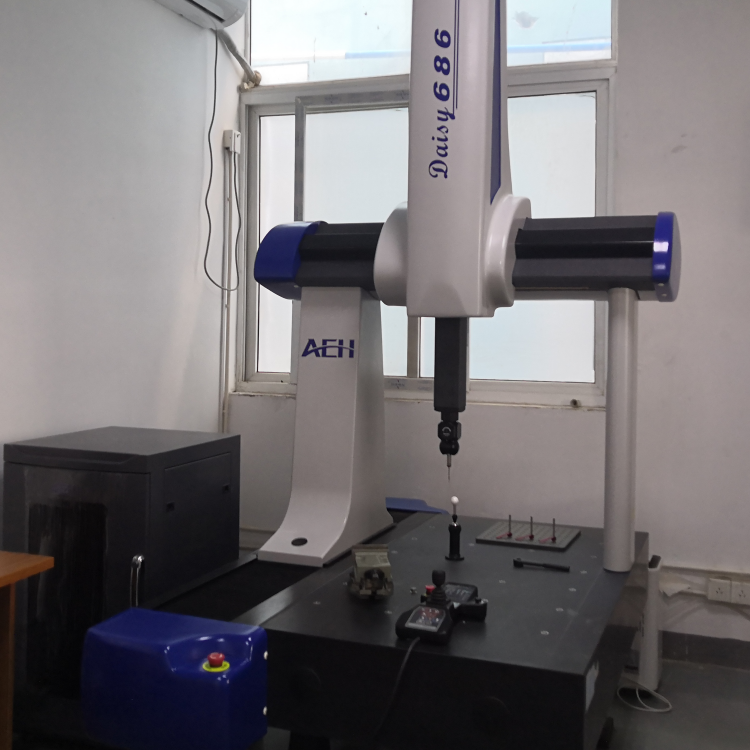
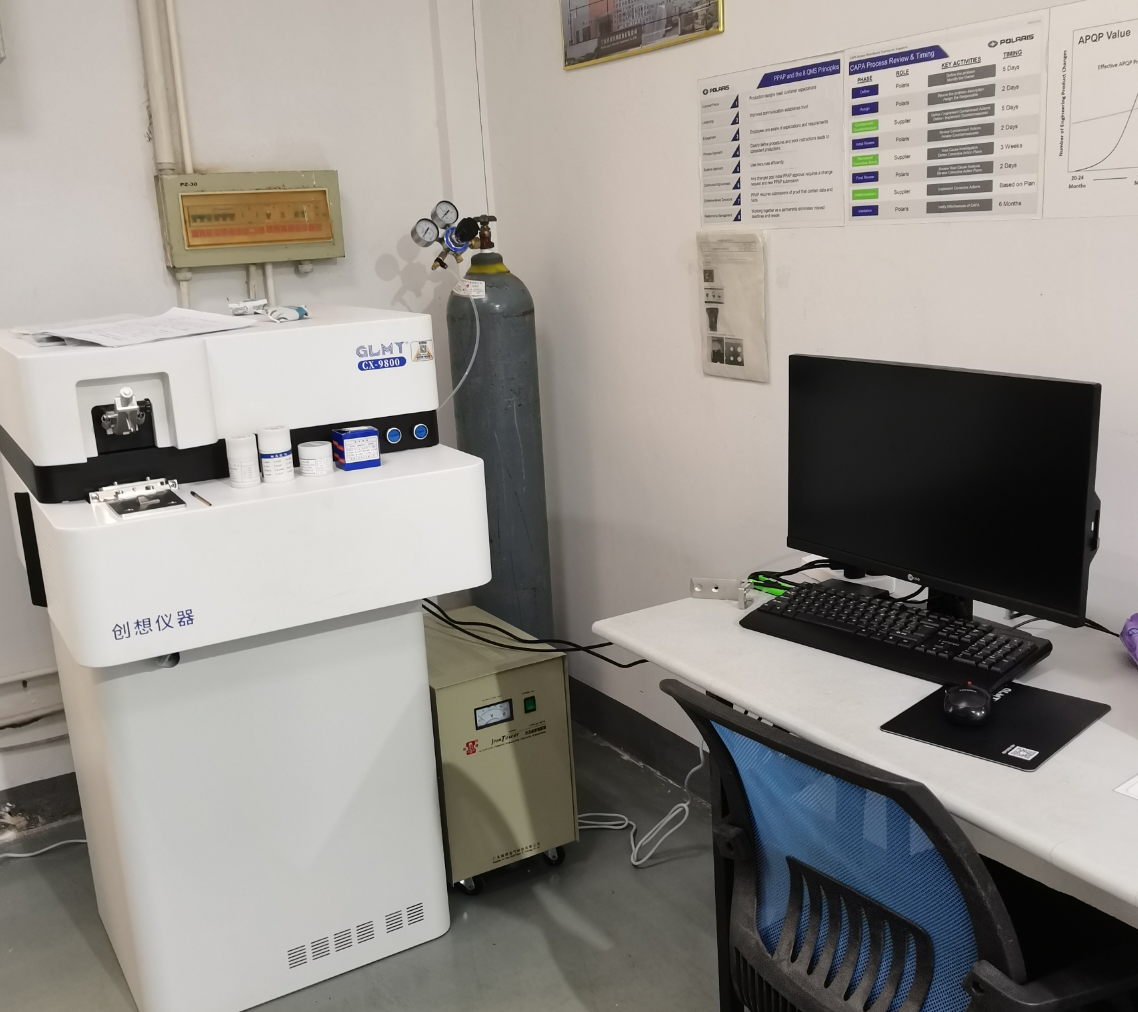
The company operates a documented quality system certified to ISO 9001:2015 under certificate No. 42525Q10018R0S, issued by GXZC and valid until 2028-01-19, based on GB/T 19001-2016. Its production equipment includes high-quality silica sol investment casting lines and CNC processing equipment, supported by a CMM (coordinate measuring machine), spectrum analyzer, Brinell hardness tester, and projector for precision inspection.
The table below summarizes the documented specification baseline buyers can verify when evaluating NTC as a cast parts supplier:
| Specification Parameter | NTC Documented Capability |
|---|---|
| Casting process | Silica-sol investment casting; aluminum/zinc alloy die casting; sand casting for larger structures |
| Tolerance grade | T4–CT7 for applicable precision-cast components |
| Surface roughness | Ra 1.6–Ra 6.3, depending on casting, machining, and finishing |
| Part weight range | 2 g–550 g for applicable precision-cast parts |
| Minimum wall thickness | 2 mm standard; 1 mm in limited local areas subject to process review |
| Fillet requirements | Minimum outer radius ≥ 0.3 mm; minimum internal fillet ≥ 0.5 mm |
| Blind-hole capability | Maximum depth 30 mm for a hole diameter of 10 mm |
| Material groups | Carbon steel (1020–1050), alloy steel (4140–8620, GS-25CrMo4, 42CrMo), stainless steel (201–440C, 1.4581, SCS14/16), copper alloys, ductile iron (QT450-10), aluminum/zinc alloys |
| Thread options | Metric, BSP, BSPT, NPT, UNF, and customer-specified standards |
| CNC machining | Turning, milling, drilling, boring, reaming, tapping, grinding, precision surface machining |
| Heat treatment | Annealing, normalizing, quenching, tempering, carburizing, solution treatment, stress relief |
| Surface treatment | Shot blasting, polishing, black oxide, zinc/nickel/chrome plating, painting, powder coating, passivation, PVD |
| Inspection | Spectrometer material analysis, CMM dimensional inspection, hardness testing, first article, in-process and final inspection |
| Functional testing | Pressure testing, leak testing, air-tightness testing available when specified |
| Applied standards | ASTM, ICI, BS, DIN, JIS, ISO, and customer-specified technical requirements |
Production Capability Behind the Specifications
NTC’s precision investment casting capability is rated at 10,000 pieces per month, depending on part size, weight, material, and complexity. Sample lead time for investment casting is 20–30 days; mass production is 30–45 days after sample approval. The standard MOQ is 100 pieces and is negotiable for prototypes and trial orders.
For precision CNC machining, sample lead time is 10–20 days and mass production is 20–35 days after sample approval, with a prototype MOQ of 1 piece. Material customization supports customer-specified grades, chemical composition, mechanical properties, and heat-treatment condition, with material certificates and spectrometer reports available. Surface and heat treatment services run on a 7–20 day cycle depending on the process and order quantity.
Step-by-Step Breakdown: How to Verify a Cast Parts Supplier
Use the following six-step verification process when comparing cast parts suppliers during the evaluation stage.
Step 1: Verify the Management System Certificate and Its Scope
Confirm that the supplier holds a recognized quality management certificate, and check the certificate number, issuing body, expiry date, and scope. NTC’s ISO 9001:2015 certificate (No. 42525Q10018R0S) is verifiable and applies to hardware sales business globally. A certificate alone is not enough; request material certificates and inspection records for actual shipments.
Step 2: Confirm Material Grades and Certificate Support
Material grades must be stated explicitly on the quotation. For NTC precision castings, carbon steel grades 1020, 1025 (WCB), 1030, 1040, 1045, and 1050 are available; alloy steel grades include 4140, 4150, 4340, 8620, and GS-25CrMo4; stainless steel grades include 201, 303, 304, 316, 316L, 17-4PH, 410, 420, and 440C, as well as 1.4581, SCS14, and SCS16. Copper alloys such as brass and bronze, ductile iron, and aluminum or zinc alloys are also available depending on the product specification.
Step 3: Map Tolerance Grades to Your Critical Dimensions
A supplier should state its tolerance capability in a verifiable class. NTC documents casting accuracy of T4–CT7 and surface roughness of Ra 1.6–Ra 6.3 for applicable precision-cast components. Critical features such as bearing bores, sealing surfaces, flange faces, and mounting holes are finished by CNC machining, and dimensional inspection is performed with CMM and other precision instruments.
Step 4: Review Machining, Heat Treatment, and Surface Treatment Depth
Cast parts usually require post-casting operations. Confirm that the supplier can perform CNC turning, milling, drilling, boring, reaming, tapping, and grinding. Heat treatment options at NTC include annealing, normalizing, quenching, tempering, carburizing, and solution treatment. Surface treatment options include shot blasting, polishing, black oxide, zinc or nickel plating, painting, powder coating, passivation, and PVD coating.
Step 5: Validate Inspection Equipment and Testing Options
Ask what inspection equipment the supplier actually operates. NTC’s documented detection equipment includes CMM, spectrum analyzer, Brinell hardness tester, and projector. For fluid-control and pressure-containing parts, pressure testing, leakage testing, and air-tightness testing can be arranged when specified. Inspection standards cover material composition, critical dimensions, thread accuracy, sealing surfaces, concentricity, and appearance.
Step 6: Assess Capacity, Sample Policy, and Lead Time
Check whether the supplier supports prototype development, trial orders, and stable batch production. NTC’s investment casting capacity is 10,000 pieces per month, with sample lead time of 20–30 days and mass production lead time of 30–45 days after sample approval. Precision CNC machining samples take 10–20 days. These figures give buyers a realistic baseline for project planning.
Use Cases: Where Cast Parts Specifications Matter Most
The following application groups map common cast parts categories to representative parts in NTC’s production program.
Automotive and Motorcycle Castings
Automotive investment cast parts cover drivetrain and structural components, including suspension brackets, engine mount housings, and motorcycle footrest brackets. Material grade, mounting-hole position, and mechanical properties are the critical constraints for these parts. Motorcycle footrest brackets are produced by lost-wax investment casting with part weights of 2 g–550 g and tolerance grade T4–CT7.
Engineering Machinery and Hydraulic Systems
Custom bearing housings, pump housings, and hydraulic valve bodies are supplied for construction machinery, hydraulic pumps, and industrial transmission systems. Material grades include WCB, 1020, 1045, 4140, 42CrMo, QT450-10, 304, 316, and 316L. Dimensional control covers bearing bores, concentricity, flange flatness, port positions, and thread accuracy, with pressure and leak testing available.
Fluid Equipment: Pumps, Valves, Pipes, and Flowmeters
Precision cast pump housings, impellers, stainless steel valve bodies, pipe fittings, flanges, and flowmeter bodies support industrial piping, water treatment, chemical processing, and instrumentation. Stainless steel grades 304, 316, and 316L are commonly selected for corrosion-resistant fluid paths. Machining covers sealing surfaces, flange faces, threaded ports, and internal flow passages.
Marine and Architectural Hardware
Stainless steel marine hinges, deck fittings, cleats, and architectural hinges and brackets are produced in austenitic stainless steel grades including 304, 316, and 316L, with satin or mirror polishing and passivation. These parts serve yacht hardware, boat deck systems, doors, windows, and commercial buildings.
Power Tools, Furniture, Locks, and Door Control
Cast parts for power tools include levers, brackets, and gearbox housings produced by aluminum or zinc alloy die casting. Furniture hinges and mounting brackets, lock bodies and cylinder housings, and door closer bodies and linkage arms are available in stainless steel, zinc alloy, brass, and carbon steel, with decorative and protective finishing options such as polishing, plating, painting, and powder coating.
Textile Machinery and Industrial Sewing Machines
Textile machinery guides, holders, drive brackets, and sewing machine housings, arms, brackets, and mounting components are produced in carbon steel, alloy steel, stainless steel, aluminum alloy, and zinc alloy. Guide holes, bearing seats, and mounting-hole positions are machined and inspected to approved drawings.
Food Machinery, Tableware, and Sports Equipment
Stainless steel food-processing impellers, food machinery brackets, tableware handles and connectors, sports equipment joint connectors, and golf club heads are cast with close attention to surface finish and corrosion resistance. Static or dynamic balancing can be arranged for impellers according to size, rotational speed, and customer requirements.
Construction and Copper Alloy Components
Structural connectors and anchors for construction, along with copper alloy electrical connector components and brass valve bodies, complete the application picture. Copper alloys are selected for electrical conductivity, corrosion resistance, and machinability; brass and bronze valve bodies serve water and gas control systems.
Comparison Table: Selecting the Right Material Group for Cast Parts
Material selection is the first technical constraint to freeze before requesting a quotation. The table below compares the material groups available for NTC precision cast parts, with representative grades and typical applications documented in the product range.
| Material Group | Representative Grades | Typical Cast Parts | Selection Notes |
|---|---|---|---|
| Carbon steel | 1020, 1025 (WCB), 1030, 1040, 1045, 1050 | Automotive suspension brackets, power tool levers, structural connectors | Good strength, machinability, and cost balance for structural and mounting parts |
| Alloy steel | 4140, 4150, 4340, 8620, GS-25CrMo4, 42CrMo | Engineering machinery housings, hydraulic valve bodies, wear-resistant brackets | Higher strength and hardness after heat treatment for heavy-duty applications |
| Stainless steel | 201, 303, 304, 316, 316L, 17-4PH, 410, 420, 440C, 1.4581, SCS14, SCS16 | Marine hardware, valve bodies, pump parts, food machinery, tableware | Corrosion resistance; 316 and 316L selected for aggressive environments |
| Ductile iron | QT450-10 | Bearing housings, pump housings | Ductility and strength for heavier mechanical housings |
| Copper alloy | Brass, bronze | Valve bodies, electrical connector components | Electrical conductivity, corrosion resistance, machinability |
| Aluminum / zinc alloy | ADC12, A380, Zamak 3, Zamak 5 (when specified) | Power tool gearbox housings, door closer bodies, sewing machine housings | Lightweight and dimensionally stable for die-cast housings |
FAQ
What certifications should a cast parts supplier hold?
A supplier’s quality management certification is the first compliance checkpoint. SHANGHAI NTC TECHNOLOGY CO., LTD. is certified to ISO 9001:2015 under certificate No. 42525Q10018R0S, issued by GXZC, valid until 2028-01-19; the certification is based on GB/T 19001-2016 and covers hardware sales business for the global market. Beyond the certificate, buyers should request material certificates, spectrometer chemical composition reports, dimensional inspection records, and final inspection documentation. NTC manufactures precision castings according to ASTM, DIN, BS, JIS, ISO, and customer-specified standards.
What tolerance and surface finish can precision cast parts achieve?
NTC documents casting accuracy of tolerance grade T4–CT7 for applicable precision-cast components, surface roughness of Ra 1.6–Ra 6.3, minimum wall thickness of 2 mm (1 mm in limited local areas subject to process review), minimum outer fillet radius of 0.3 mm, and minimum internal fillet of 0.5 mm. Part weight is typically 2 g–550 g for precision cast parts. Critical dimensions such as bearing bores, sealing surfaces, flange faces, and mounting holes are finished by CNC machining.
What is the minimum order quantity for custom cast parts?
For precision investment casting, the standard MOQ is 100 pieces, and it is negotiable for prototypes and trial orders. For precision CNC machining, the prototype MOQ is 1 piece. The final MOQ depends on part size, material grade, manufacturing process, and order quantity.
Can I get samples before mass production?
Yes. NTC supports prototype development, sample verification, and trial orders. Investment casting samples typically take 20–30 days, while CNC machining samples take 10–20 days. Parts are manufactured from customer-approved 2D drawings, 3D models, or physical samples.
What are the typical lead times for cast parts?
Investment casting sample lead time is 20–30 days; mass production is 30–45 days after sample approval. Precision CNC machining samples take 10–20 days, and mass production takes 20–35 days after sample approval. Surface and heat treatment adds 7–20 days depending on the process and order quantity. For a project-specific lead time and quotation, contact NTC by email or WhatsApp, or download the company brochure below.
Conclusion
Cast parts sourcing decisions should be based on verifiable technical constraints, not on marketing language. By checking certification scope, material grades, tolerance classes, machining depth, inspection equipment, sample policy, and lead time, buyers can separate capable suppliers from those making unsupported claims.
SHANGHAI NTC TECHNOLOGY CO., LTD. provides a documented baseline for all of these checkpoints: ISO 9001:2015 certification, T4–CT7 tolerance capability, a full range of carbon steel, alloy steel, stainless steel, copper alloy, and ductile iron grades, integrated CNC machining, heat treatment, surface finishing, and CMM-based dimensional inspection. The company also supports prototype development, trial orders, and stable batch production for OEM clients.
Need a technical review of your cast parts drawings?
Download the SHANGHAI NTC TECHNOLOGY CO., LTD. company brochure for production capabilities and contact details.
Download NTC 2026 Company Brochure (PDF)
Contact: Stanley Yang, GM — Stanley770826@ntcmachine.com | WhatsApp: +86 186 2180 6400
Have Questions or Need More Details?
Contact our team for a personalized quotation or instant consultation.
Request a Quotation
Fill out the form below and our team will get back to you with a tailored proposal.
WhatsApp Direct Chat
Prefer to chat in real-time? Message us on WhatsApp for instant assistance & quick answers.
- Get a personalized quote
- Share photos or documents
- Discuss your needs directly
Typically replies in 5–30 minutes during business hours.