
Gearbox Housings for Power Tools: Choosing Between Investment Casting and Die Casting
Quick decision: For a power tool gearbox housing, investment casting is usually the practical route when the housing is carbon steel or stainless steel, when thin walls and sharp internal ribs are required, or when annual volume is low to medium and the design is still evolving. Die casting usually wins when the housing is an aluminium or zinc alloy, the drawing is frozen, and volume is high enough to amortise a hardened steel die. Alloy, wall thickness and tolerance grade decide first; volume decides second.
Every cordless drill, impact driver, rotary hammer and angle grinder carries a gearbox housing that must hold bearing bores in line, keep gear centres within tolerance, absorb torque reaction, and survive drops, dust and heat. Housing geometry is rarely simple, and the casting process behind it decides how much machining is needed afterwards, how thin the walls can be, and how the part behaves when a program scales from a sample run to annual supply.
This guide compares investment casting and die casting for power tool gearbox housings using three variables - achievable wall thickness, tolerance grade and material suitability - and then applies production volume and precision requirements to reach a decision. SHANGHAI NTC TECHNOLOGY CO., LTD. is a precision casting manufacturer and trading company based in Shanghai, China, founded in 2022, whose production is built around the silica sol investment casting process with in-house CNC machining. Its cast parts serve automotive, motorcycle, valve, food machinery, textile machinery, door control and hardware applications, and that background shapes the perspective below, although the decision rules apply to any supplier.
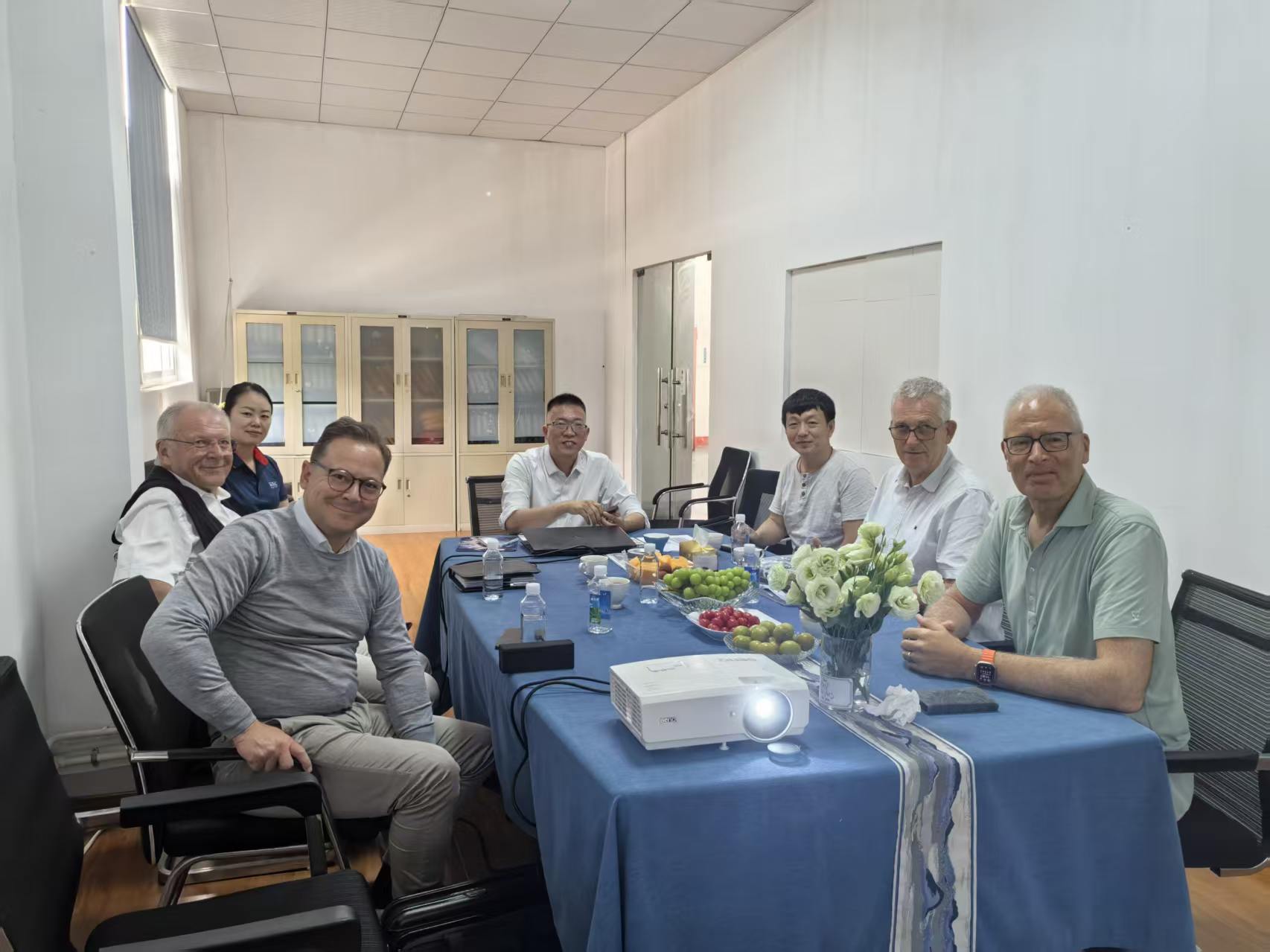
Process selection for a gearbox housing is normally settled in a technical review between the buyer's engineering team and the foundry: alloy and wall thickness first, CT grade second, volume third.
Why a Gearbox Housing Is Harder to Source Than It Looks
A power tool gearbox housing performs four jobs at once. It positions the motor pinion relative to the output gear, it carries the bearing bores that keep the gear train aligned, it takes the torque reaction of the gearbox and the axial load of the spindle, and it forms the outer surface that users grip, drop and knock against. Those four functions turn a small component into a tolerance carrier.
Three requirements usually drive cost. The first is bearing bore alignment: when a bore pattern drifts, the gears run out of mesh, noise rises and the tool fails in the field rather than on the test bench. The second is wall thickness around the bosses, because a boss fed by a thin wall is where shrinkage porosity tends to appear, and that is exactly where the load path runs. The third is surface quality and machining stock, since any dimension the casting cannot hold has to be recovered by CNC machining, adding cycle time and material removal on every unit.
That is why the process question is not simply which method can produce the shape. Both investment casting and die casting can produce a housing that looks correct on a bench. The difference appears when the part is measured, when the first article is inspected, and when the same housing is produced again six months later at the same tolerance. The process decision becomes expensive only when it is made late, after tooling has already been cut.
Industry Background: The Casting Capacity Behind Power Tool Production
Precision casting is a large and still expanding supply base, and power tool housings compete for capacity with automotive, motorcycle and industrial equipment programs. The global investment casting market was valued at USD 17.4 billion in 2025 and is projected to reach USD 24.9 billion by 2033, according to Grand View Research. Asia Pacific dominated that market with a 39.2% revenue share in 2025, and stainless steel represented 32.98% of material share in the same year, according to Mordor Intelligence.
The process mix matters to buyers because it signals where foundry capability is concentrated. The silica sol process accounted for 50.78% of investment casting revenue share in 2025, according to Mordor Intelligence, which is the same process family used for thin-wall, high-detail housings. Automotive applications held the largest application share at over 29% in 2025, per Grand View Research - a useful reminder that small-motor and hand-tool housings are rarely the highest-volume part in a foundry's order book, and that capacity planning therefore has to be agreed rather than assumed.
On the supply side, China's investment casting market was estimated at USD 2.72 billion in 2024 and is projected to reach USD 5.16 billion by 2035 at a 6% CAGR, according to Market Research Future. China's total metal casting export value reached USD 1.47 billion in July 2024, an increase of 5.2% year on year, based on China Customs data reported by Dawang Metals. For a buyer placing an annual gearbox housing program, that is the context in which capacity, lead time and long-term supply reliability are negotiated.
Detailed Solution: The Three Variables That Decide the Process
The choice between investment casting and die casting for a gearbox housing resolves into three technical variables, followed by one commercial variable: volume. Working through them in order is what prevents an expensive tooling decision made on the wrong assumption.
1. Achievable wall thickness
Power tool gearbox housings are thin-walled by nature, because weight and heat transfer both matter in a hand-held tool. Investment casting forms the part from an expendable wax pattern inside a ceramic shell, so the wall is created by the pattern rather than by the gap between two steel die halves. Sections of around 2 mm are commonly quoted as achievable in investment casting for housings of this size class, and the process does not impose a draft angle on internal ribs, because the pattern is melted out rather than pulled out.
That distinction shows up in real housing geometry. A bearing boss standing on a rib, a deep internal web between two gear cavities, or an asymmetric wall that thickens only where a screw boss sits, are all shapes that a single-piece ceramic shell can reproduce. Die casting fills a hardened steel die under pressure: it also produces thin walls, but the wall is defined by the die cavity, the metal must flow into it and the part must release afterwards, so the design carries draft and benefits from reasonably uniform sections.
The practical rule: if the housing has a rib network with sharp internal corners, or wall sections that vary substantially across the part, investment casting removes a design constraint that die casting would otherwise impose.
2. Tolerance grade: reading the CT band correctly
ISO 8062-3:2007 defines dimensional tolerances for investment castings and typically achieves grades CT4 to CT6. Sourcing drawings for gearbox housings commonly quote a CT4-CT7 window, applying the tighter grades to bores, spigots and mating faces and the wider grades to non-functional surfaces, with CNC machining closing the remaining gap on critical features.
Two points are worth holding onto. First, a CT grade applies per dimension, not to the part as a whole: a housing can reasonably be CT5 on a bearing spigot and CT7 on a cosmetic flange. Second, the tighter the grade demanded from the casting itself, the more the foundry has to control pattern tooling, shell build-up, pour temperature and cooling. That is a process-control question, and it is where long-term supplier capability shows up far more clearly than unit price.
3. Material suitability: carbon steel, stainless steel and aluminium alloy
Investment casting handles both ferrous and non-ferrous alloys, including carbon steel, stainless steel, alloy steel and copper alloys. Die casting is normally restricted to lower-melting-point non-ferrous alloys such as aluminium and zinc. For a gearbox housing that distinction is often decisive on its own: a housing that must be carbon steel, or stainless steel for corrosion resistance, points to investment casting, while a housing that can be aluminium alloy keeps both processes in play and lets volume make the decision.
Aluminium alloy is the genuinely shared option, and it is common in power tool gearboxes because it reduces weight and helps dissipate heat from the motor and gear train. Where the housing is also a structural element that takes impact - rotary hammers, demolition hammers, heavy-duty grinders - steel becomes attractive, and the alloy decision then removes die casting from the comparison.
Putting the three variables together at NTC
NTC's production is built on silica sol investment casting followed by in-house CNC machining, with the factory covering 2,000 m² in Shanghai and a quality system certified to ISO 9001:2000 and ISO 14001:2015. Inspection equipment includes a CMM, a spectrum analyzer, a Brinell hardness tester and a projector - the combination required when a gearbox housing has to be verified for material composition and bore geometry in the same inspection plan. Annual production capacity reaches 1,500,000 units, an output level that supports annual supply programs rather than only spot orders.
Step-by-Step Breakdown: From Drawing to Annual Supply
Process selection and long-term supply are usually handled as one program, and running them in the following order keeps the tooling decision and the sourcing decision aligned.
- Define the functional dimensions. List every feature that carries a function - bearing bores, spigots, mating face flatness, boss positions, mounting hole pattern and minimum wall thickness - and mark which of them are machined after casting.
- Classify volume and product life. Separate prototype, low-volume and annual supply volumes, and estimate how likely the design is to change across that life. A design still in revision is a poor candidate for a hardened die.
- Screen the alloy first. If the requirement is carbon steel or stainless steel, the process comparison is effectively settled. If aluminium alloy is acceptable, move to step four.
- Screen the process against wall thickness and geometry. Deep internal ribs, sharp internal corners and strongly varying wall sections favour a ceramic-shell route; uniform sections and generous draft suit a die.
- Set a CT grade per feature. Apply ISO 8062-3 grades feature by feature, confirm which dimensions are resolved by CNC machining, and record the split on the drawing so that the first article is inspected against the same specification.
- Validate with a first article before committing to volume. Verify material composition spectroscopically, check hardness on a Brinell hardness tester, and measure dimensions on a CMM with projector support for profile features. Acceptance criteria are set according to the customer drawing.
- Lock the long-term supply conditions. Agree the inspection regime, batch traceability, delivery terms, warranty and schedule reporting before the first production order, not after the first quality issue.
Use Cases: Where Each Route Wins in Power Tools
Aluminium alloy housing at medium-to-high volume. A cordless drill or impact driver gearbox housing in aluminium alloy can be produced by either process. At moderate volume, with a gear cavity that has deep internal webs, investment casting is often taken because it avoids draft constraints and because pattern tooling can be revised if the gear train is re-designed. At high, stable volume with a frozen drawing, die casting becomes the cost-effective route.
Carbon steel housing for high-impact tools. Rotary hammers and demolition tools load the housing structurally as well as thermally. A carbon steel housing cannot be produced by conventional die casting, so the process comparison does not arise - what matters instead is the CT grade held on the bearing bores and how much CNC machining is planned for the mating faces.
Corrosion-resistant stainless steel housings. For tools used in wet, marine or wash-down environments, stainless steel housings are a natural fit for investment casting, and the same silica sol process covers stainless steel marine hardware castings and stainless steel architecture and daily-used hardware castings.
Low-volume and aftermarket programs. Replacement housings, service parts and short production runs cannot amortise a hardened die. Investment casting keeps tooling investment proportionate and allows a program to start at a few thousand units and scale up without re-tooling.
Adjacent precision cast components from the same process window. The same thin-wall, tight-tolerance capability that suits gearbox housings also serves power tool components castings, auto part castings, automobile and motorcycle castings, valve and flowmeter accessories, mechanical parts, engineering machinery parts, textile machinery parts, industrial sewing machine parts, food machinery parts, fluid equipment parts and door control fittings. Programs that run across several of these categories are typically placed with one supplier so that material and inspection practice stay consistent.
Comparison Table: Investment Casting vs. Die Casting for Gearbox Housings
| Decision factor | Investment casting | Die casting |
|---|---|---|
| Typical alloys | Carbon steel, stainless steel, alloy steel and copper alloys, alongside non-ferrous options | Lower-melting-point non-ferrous alloys such as aluminium and zinc; not typical for carbon steel |
| Wall thickness and rib detail | Thin sections and fine internal ribs achievable; walls of around 2 mm are commonly quoted for housings in this size class; no draft on internal ribs | Thin walls achievable within die design limits; requires draft and favours reasonably uniform sections |
| Tolerance grade | ISO 8062-3:2007 defines dimensional tolerances for investment castings, typically achieving CT4 to CT6; a CT4-CT7 window is commonly quoted across housing features | Tolerance tied to die design and alloy; critical bores normally brought to final tolerance by machining |
| Tooling | Expendable wax pattern produced from a machined die; lower tooling investment and easier pattern revision | Hardened steel die; higher tooling investment and essentially frozen geometry |
| Volume fit | Low to medium volumes, high-mix and prototype-to-annual programs | High volume, low mix, where piece cost falls at scale |
| Design change flexibility | Pattern changes can be introduced without rebuilding a full die | Changes require die modification or replacement |
| Post-processing | CNC machining of bearing bores and mating faces; CMM verification against the drawing | Machining of bores and threads; trimming and flash removal |
| Typical best fit for gearbox housings | Steel housings, thin-wall high-precision aluminium housings, low-to-medium volume and evolving designs | Aluminium or zinc housings at stable high volume with a frozen drawing |
Comparison based on the ISO 8062-3:2007 tolerance framework and general casting process characteristics; final selection should be confirmed against the specific housing drawing, alloy and annual volume.
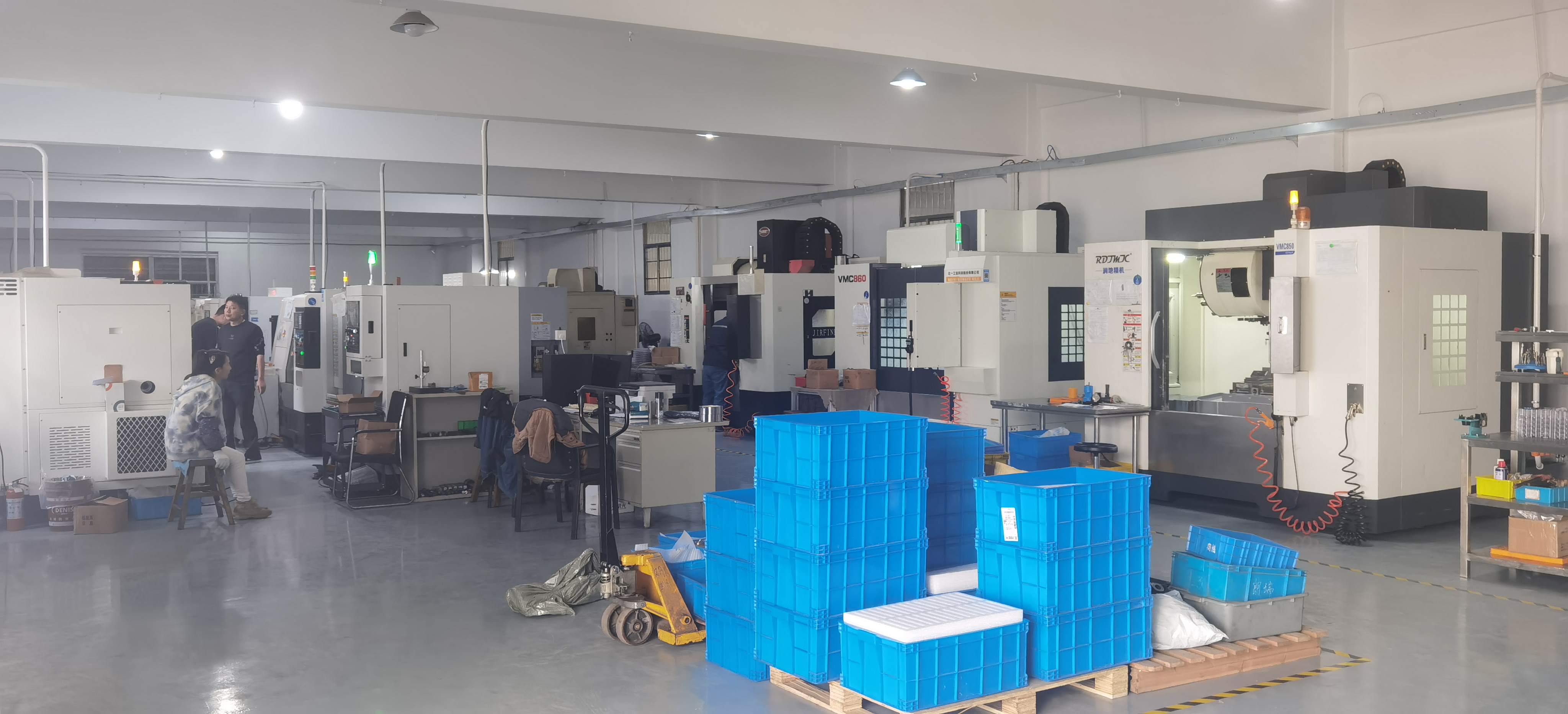
After casting, bearing bores and mating faces are brought to final tolerance on CNC machining equipment - the stage where a drawing's CT grade split becomes a cost question.
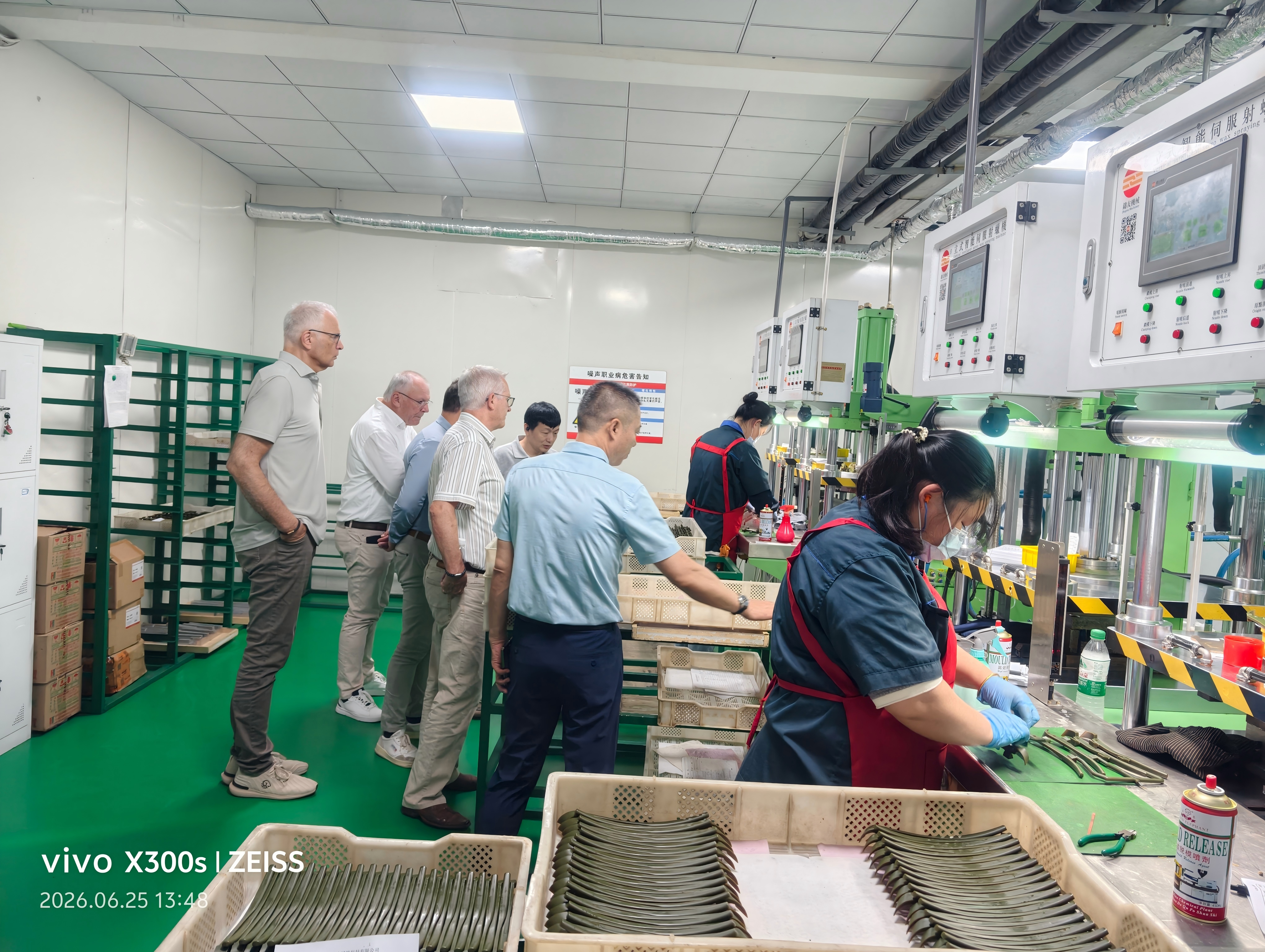
Wall thickness in investment casting comes from the wax pattern, which is why pattern control and shell building determine how thin a housing wall can be held.
Long-Term Supply: What Changes After the First Order
The process decision gets the housing made once. The supply decision gets it made the same way for the life of the tool program, and that is where buyers placing annual volumes usually find the larger risk. A casting that meets tolerance in a sample is a sample; a casting that meets tolerance in every batch, with inspection records behind it, is supply.
Batch traceability is the mechanism. It starts with material: all raw materials are spectroscopically composition-tested before they enter storage. It continues during production, where dimensions are monitored in real time on the CNC machining equipment, in-process patrol sampling runs alongside the line, and castings pass a manual visual screening after shot blasting. It closes at dispatch, where 100% finished product outgoing inspection is carried out and a dedicated production planner follows order progress daily. Finished product yield on this regime reaches 98%.
Capacity is the second half of the supply question. Monthly production capacity of 500 tons and annual production capacity of 1,500,000 units are the levels at which an annual gearbox housing program can be scheduled without competing with spot orders, and the factory's export share of 85% across Europe, America and Asia reflects a production rhythm built around repeat programs rather than one-off lots.
| Supply factor | NTC (full-process casting and machining factory) | Small-scale outsourcing foundries and generic standard casting suppliers |
|---|---|---|
| Process integration | Self-owned casting and CNC precision machining, with an independent material heat treatment workshop and a complete 100% full inspection system | Partial working procedures, frequently outsourced, without integrated quality control |
| Dimensional tolerance control | Up to plus or minus 0.005 mm | Around plus or minus 0.03 mm |
| Monthly production capacity | 500 tons | Under 100 tons |
| Finished product yield | 98% | 75% to 82% |
| Unit quotation | 8% to 12% higher than low-price small foundries | Lower headline unit price |
| Total ownership cost | Lower overall because of the low reject rate and longer service life of high-precision castings | Rework and replacement risk carried by the buyer |
| After-sales | 12-month casting defect warranty and complete original spare parts supply for long-term projects | Risk of shutdown, which can leave after-sales service invalid |
| Best fit | Long-term mass OEM supporting projects and customers requiring strict dimensional precision together with a full factory audit | Spot orders without a long-term supply commitment |
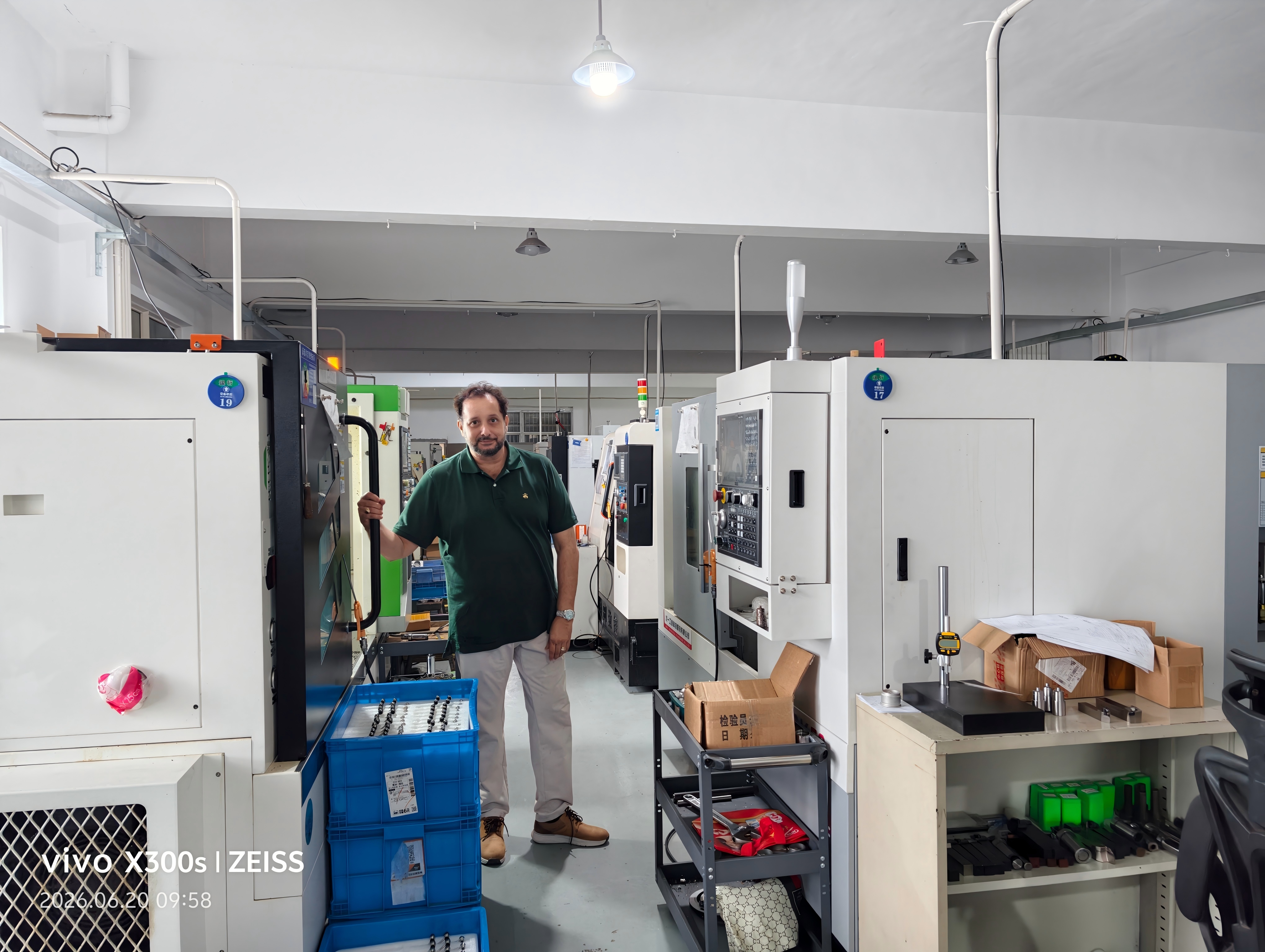
Factory inspection visits usually focus on the same two questions as an annual supply contract: how material is verified, and how dimensions are proven batch by batch.
Frequently Asked Questions
What acceptance criteria and tolerance standards apply to an investment-cast gearbox housing?
Acceptance criteria are set according to the customer drawing rather than a generic catalogue tolerance. For dimensional tolerances on investment castings, ISO 8062-3:2007 provides the reference framework and typically achieves grades CT4 to CT6, which is why housing drawings normally specify a CT grade per feature and define machined bores separately. Where a casting is a pressure-containing steel part, ASTM A703/A703M sets out general requirements. NTC operates a quality system certified to ISO 9001:2000 and ISO 14001:2015 and verifies cast parts with a CMM, a spectrum analyzer, a Brinell hardness tester and a projector.
How is batch traceability maintained across an annual supply program?
Traceability is built from four controls running from incoming material to outgoing goods. All raw materials undergo spectroscopic composition testing before storage. Dimensions are monitored in real time on the CNC machining equipment. After casting and shot blasting, castings pass a manual visual screening. In-process patrol sampling and 100% finished product outgoing inspection close the loop, with a dedicated production planner following order progress daily. Finished product yield on this regime reaches 98%.
What are the purchasing terms for cast parts - MOQ, delivery and payment?
MOQ depends on the size of the product. Delivery terms are FOB or CIF. Acceptance criteria follow the customer drawing. Payment terms are 50% T/T in advance and 50% T/T before shipment.
How is a new housing validated before mass production begins?
A new housing is validated against the customer drawing before volume production. Material composition is confirmed by spectroscopic test, hardness is checked with a Brinell hardness tester, and dimensional results are produced on a CMM, supplemented by projector measurement for profile features. Because acceptance criteria are defined by the drawing, this validation stage is also where the CT grade for each feature and the machining allowance for bearing bores should be agreed in writing, so that the first article and the production batch are judged against the same specification.
Can production capacity support a long-term annual supply contract?
Annual production capacity reaches 1,500,000 units, with monthly production capacity of 500 tons, and order progress is tracked in real time by a dedicated production planner. Castings carry a 12-month casting defect warranty. For buyers planning an annual program, the practical next step is to send a drawing for quotation or request a sample evaluation, so that alloy, CT grade and volume can be confirmed against actual capacity. Contact the team at Stanley770826@ntcmachine.com or request a quote through www.shntcmachinery.com.
Conclusion: Match the Process to the Housing, Then Match the Supplier to the Program
For power tool gearbox housings, the process decision follows the part. Carbon steel or stainless steel housings, thin walls with sharp internal ribs, low-to-medium volumes and designs that are still changing all point to investment casting. Aluminium or zinc housings at high, stable volume with a frozen drawing point to die casting. Where the two overlap - aluminium alloy at moderate volume - the tie-breaker is the precision requirement and how much CNC machining the program can absorb.
The second decision carries equal weight for any program that runs for years: who supplies the casting, and how that supplier controls material, dimensions and schedule after the first order. Tooling is a one-time cost; supply behaviour repeats on every delivery. Buyers who settle both questions before the die is cut, rather than after the first batch is rejected, are the ones who keep the housing program on schedule and on cost.
Next Step: Send a Drawing, Get a Process Recommendation
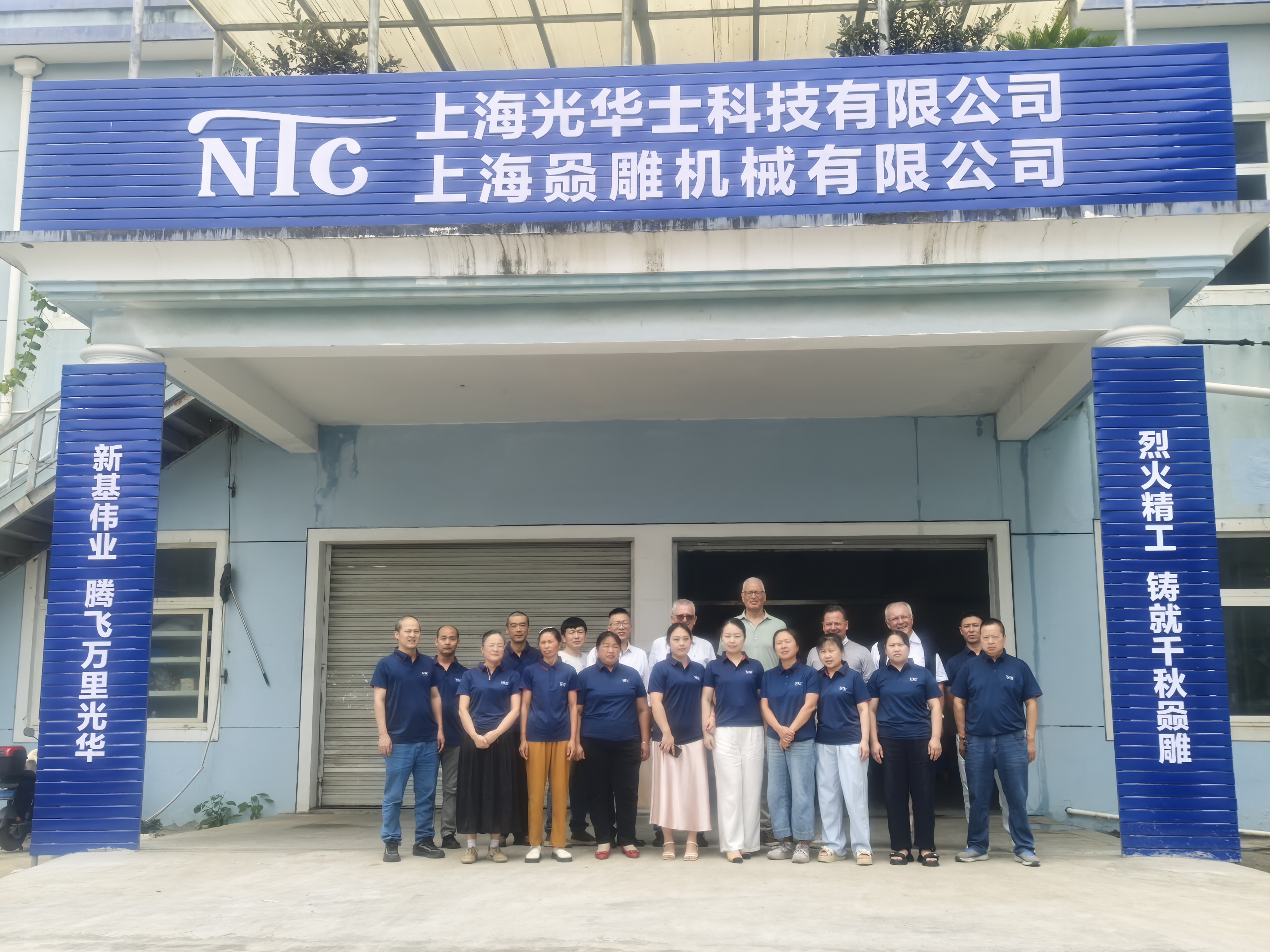
Share your gearbox housing drawing, target alloy and annual volume, and SHANGHAI NTC TECHNOLOGY CO., LTD. will return a process recommendation, a quotation and a sample evaluation plan covering CT grade, machining allowance and inspection criteria.
Email: Stanley770826@ntcmachine.com | Phone: +0086-189 6422 8319 | Website: www.shntcmachinery.com
Address: No. 308 Linsheng Road, TingLin Industrial Zone, JinShan District, Shanghai 201505, China
Download the 2026 SHANGHAI NTC TECHNOLOGY CO., LTD. catalogue (PDF)
Contact for inquiries: Stanley Yang, GM - Email: Stanley770826@ntcmachine.com, Mobile: +0086-189 6422 8319 / +0086-186 2180 6400.
Have Questions or Need More Details?
Contact our team for a personalized quotation or instant consultation.
Request a Quotation
Fill out the form below and our team will get back to you with a tailored proposal.
WhatsApp Direct Chat
Prefer to chat in real-time? Message us on WhatsApp for instant assistance & quick answers.
- Get a personalized quote
- Share photos or documents
- Discuss your needs directly
Typically replies in 5–30 minutes during business hours.