
Cast Parts Supplier Comparison: Full-Process Factory vs. Small Outsourcing Foundries
Published: August 24, 2026 · Decision-stage comparison for OEM cast parts buyers
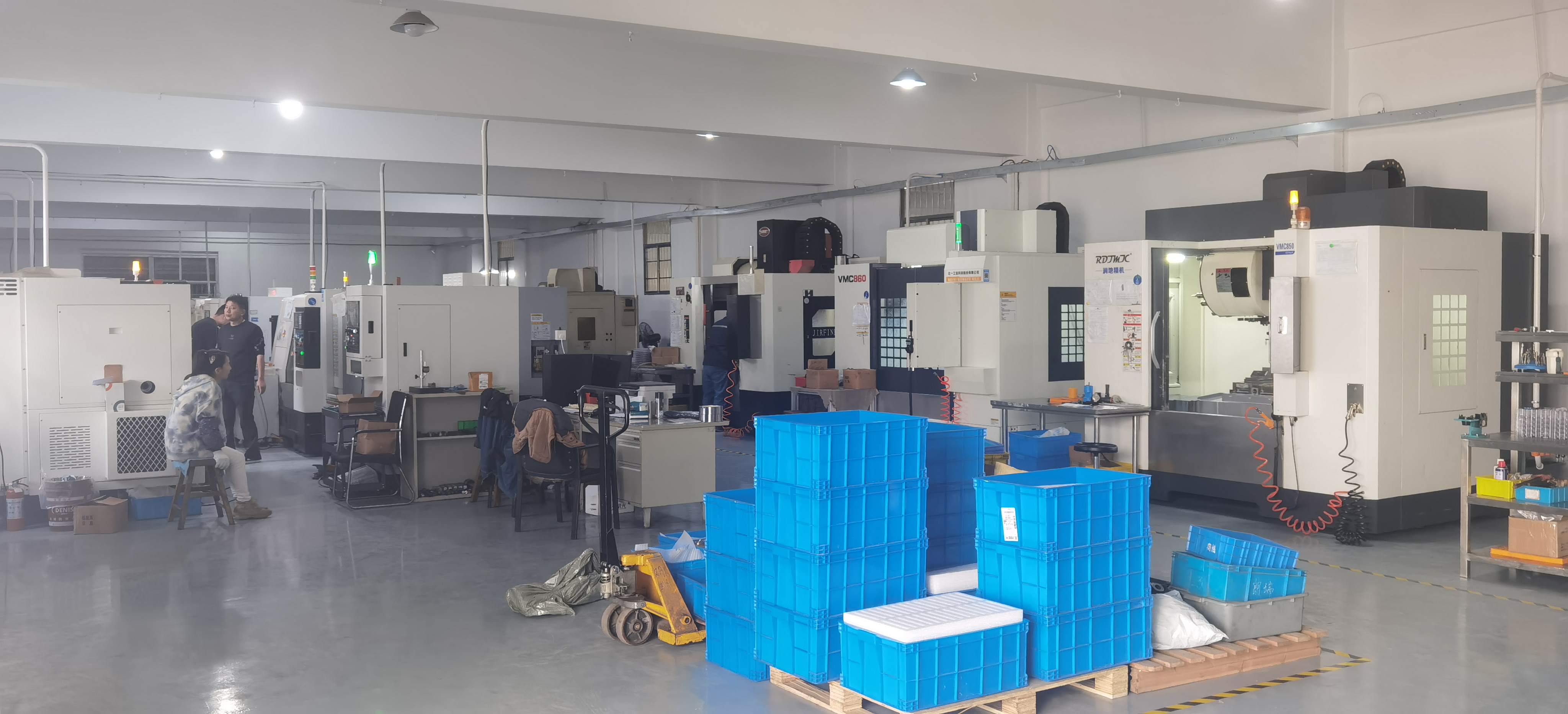
In-house CNC machining is part of the full-process casting model at SHANGHAI NTC TECHNOLOGY CO., LTD.
When a cast parts project reaches the Decision stage, the question is no longer how investment casting works. It is which supplier type deserves the order. Most buyers receive similar-looking quotes from three different profiles: small-scale outsourcing foundries, generic standard casting suppliers, and full-process factories that own casting, heat treatment, CNC machining and inspection under one roof.
Low-price quotes usually come from the first two profiles. However, the measurable differences — dimensional tolerance, monthly production capacity, finished product yield and quality control structure — determine whether the quoted price survives mass production. This article compares these supplier types on those criteria and explains what separates a full-process factory such as SHANGHAI NTC TECHNOLOGY CO., LTD. from lower-price alternatives.
Why Unit Price Alone Does Not Work for Cast Parts Comparison
Unit price is the most visible comparison metric, and the least informative one. A supplier that outsources partial working procedures can deliver an acceptable first article, but problems usually appear during mass production.
The four most common failure modes for cast parts orders are:
- Casting dimensional tolerance out of range
- Surface casting defects
- Raw material chemical composition non-compliance
- Customized order delivery delay
These risks are directly related to whether the supplier operates casting and post-processing lines in-house. When casting, heat treatment and machining are split across different workshops, no single party controls the full quality chain. When one factory owns the entire process, each step is traceable and every batch can be checked at defined control points.
Generic standard casting suppliers introduce a second problem: they sell catalog products rather than engineered solutions. OEM buyers with custom drawings need materials, tolerances and heat treatment matched to their application. A standard catalog cannot deliver that level of fit.
Industry Background: Cast Parts Demand and the Case for Integrated Suppliers
The market context helps buyers calibrate supplier expectations. The global investment casting market was valued at USD 17.4 billion in 2025 and is projected to grow to USD 24.9 billion by 2033 (Grand View Research). Automotive applications account for the largest revenue share at over 29% in 2025, and Asia Pacific holds a 39.2% regional revenue share.
The China investment casting market was estimated at USD 2.72 billion in 2024 and is projected to reach USD 5.16 billion by 2035 at a 6% CAGR (Market Research Future). China's total metal casting export value reached USD 1.47 billion in July 2024, an increase of 5.2% year-on-year.
Material and process trends reinforce the need for integrated quality control:
- Stainless steel represented 32.98% of the global investment casting material share in 2025 (Mordor Intelligence).
- The silica sol process accounted for 50.78% of investment casting revenue share in 2025, driven by its precision capabilities (Mordor Intelligence).
- ISO 8062-3:2007 defines dimensional tolerance grades for investment castings, typically CT4 to CT6.
- ASTM A703/A703M specifies general requirements for steel castings used in pressure-containing parts.
The market also includes large global players such as Precision Castparts Corp (approximately USD 9.3 billion revenue in 2023), Impro Precision Industries Ltd, CIREX Group and Alcoa. These groups serve consolidated aerospace and energy programs. For mid-volume industrial OEM programs, the practical comparison is between local full-process factories and outsourcing workshops, because order sizes and lead times differ significantly.
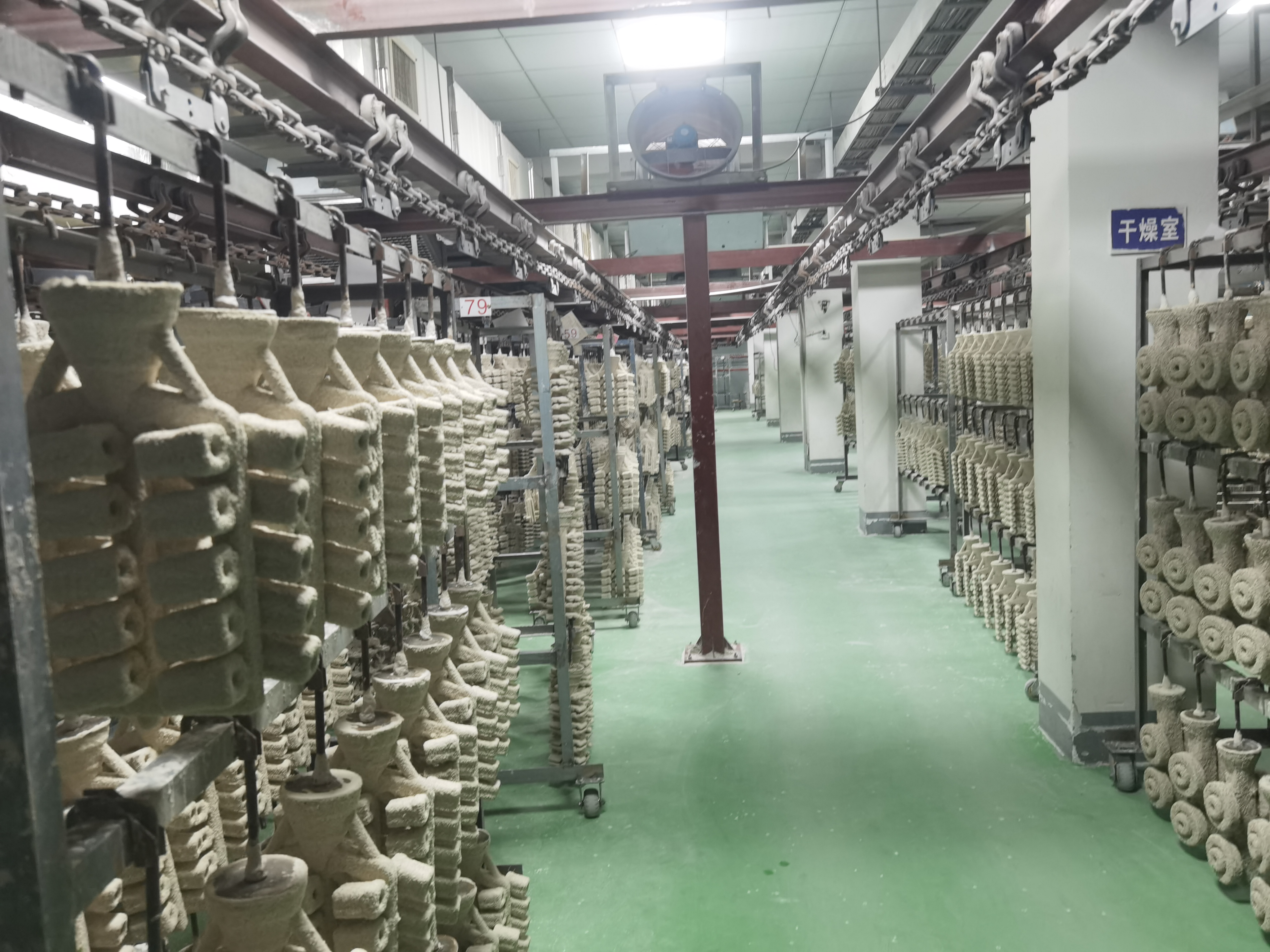
The drying workshop is part of the silica sol investment casting line at the Shanghai factory.
What a Full-Process Casting and CNC Machining Factory Actually Controls
Compared with small-scale outsourcing foundries and generic standard casting suppliers, a full-process self-owned casting and CNC precision machining factory has distinct competitive advantages. The core difference lies in the full-process facility, which includes an independent material heat treatment workshop and a complete 100% inspection system. Many competitors outsource part of the production process and lack integrated quality control.
SHANGHAI NTC TECHNOLOGY CO., LTD. is an example of this model. NTC is a precision casting industry and trade company located in Shanghai, China, serving customers mainly in Europe, America and Asia, where export sales account for 85% of output. The factory covers 2,000 square meters, has 20 employees, and combines product development, design, mold manufacturing, production, processing and assembly. It is located in the JinShan District, 50–60 kilometers from Shanghai Pudong Airport and Hongqiao International Airport, with convenient sea, rail and air access.
The production series covers auto parts, golf heads, vacuum parts, valve accessories, kitchen equipment accessories, dishwashing equipment accessories, spinning machine accessories, door accessories and scooter parts, used in automotive, machinery, kitchen, spinning, chemical, vacuum, hardware and pharmaceutical fields.
The factory runs the silica sol investment casting process, supported by CNC processing equipment and auxiliary equipment, with a complete production and assembly system. Detection equipment includes a CMM, spectrum analyzer, Brinell hardness tester and projector. Quality management follows ISO 9001:2000 and ISO 14001:2015. Annual output reaches 1,500,000 units.
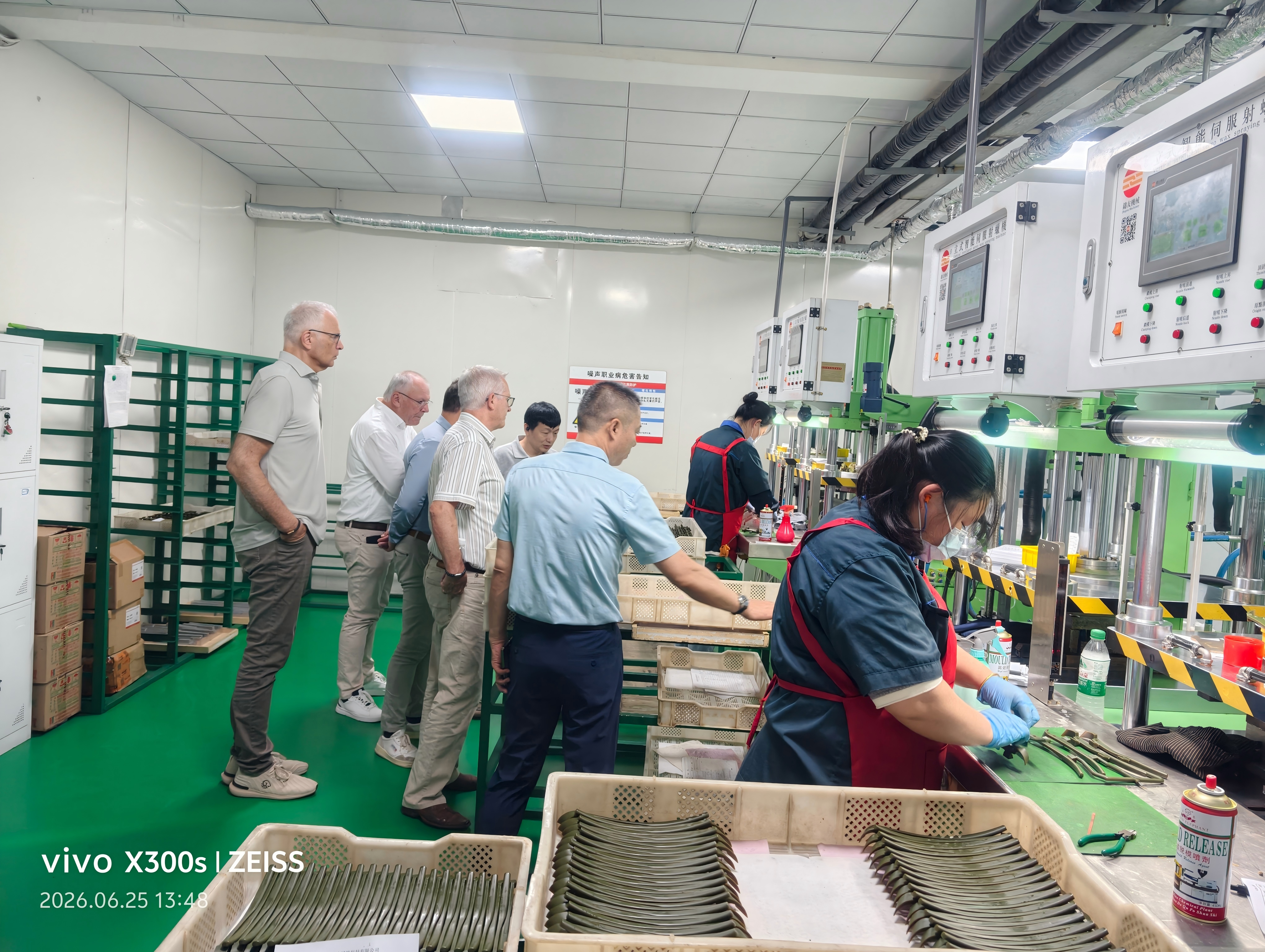
Customer visits to the wax injection workshop show process transparency during supplier evaluation.
Step-by-Step: A 7-Step Framework for Comparing Cast Parts Suppliers
Use this framework to verify any candidate before committing to a mass order.
Step 1: Verify process ownership
Ask whether casting, heat treatment and CNC machining are self-owned. If work is outsourced, ask who is accountable when a defect appears after machining. A full-process factory has one accountable quality chain from raw material to finished product.
Step 2: Confirm heat treatment capability
Mechanical properties come from heat treatment as much as from chemical composition. An independent material heat treatment workshop is a structural advantage most outsourcing foundries do not have.
Step 3: Measure dimensional tolerance
Request the supplier's controlled tolerance in writing. A full-process factory achieves dimensional tolerance control up to ±0.005 mm, tighter than the ±0.03 mm typically offered by small workshops. ISO 8062-3:2007 assigns investment castings grades CT4 to CT6, so the supplier's internal value should be compared with these grades.
Step 4: Inspect the quality system
Look for a complete 100% full inspection system. Evidence includes full incoming material inspection, in-process patrol sampling inspection, 100% finished product outgoing inspection, and equipment such as a spectrum analyzer, CMM, Brinell hardness tester and projector.
Step 5: Assess monthly capacity
Capacity determines whether the supplier can scale with your program. Full-process factories reach 500 tons per month, while peer small factories typically produce less than 100 tons. For long-term OEM programs, capacity reserve also matters during demand peaks.
Step 6: Compare yield, not just price
Finished product yield reaches 98%, compared with 75–82% at peer small factories. A lower yield means more castings are scrapped or reworked, raising the effective unit cost and delaying deliveries. Higher machining precision on a 98% yield line reduces secondary rework and can improve customer assembly efficiency by over 30%.
Step 7: Calculate total cost of ownership
The unit quotation from a full-process factory is 8–12% higher than low-price small foundries, yet the total ownership cost is lower because of the low reject rate and the long service life of high-precision castings. After-sales value matters too: a stable formal enterprise provides a 12-month casting defect warranty and original spare parts for long-term projects; small workshops carry the risk of shutdown and invalid after-sales support.
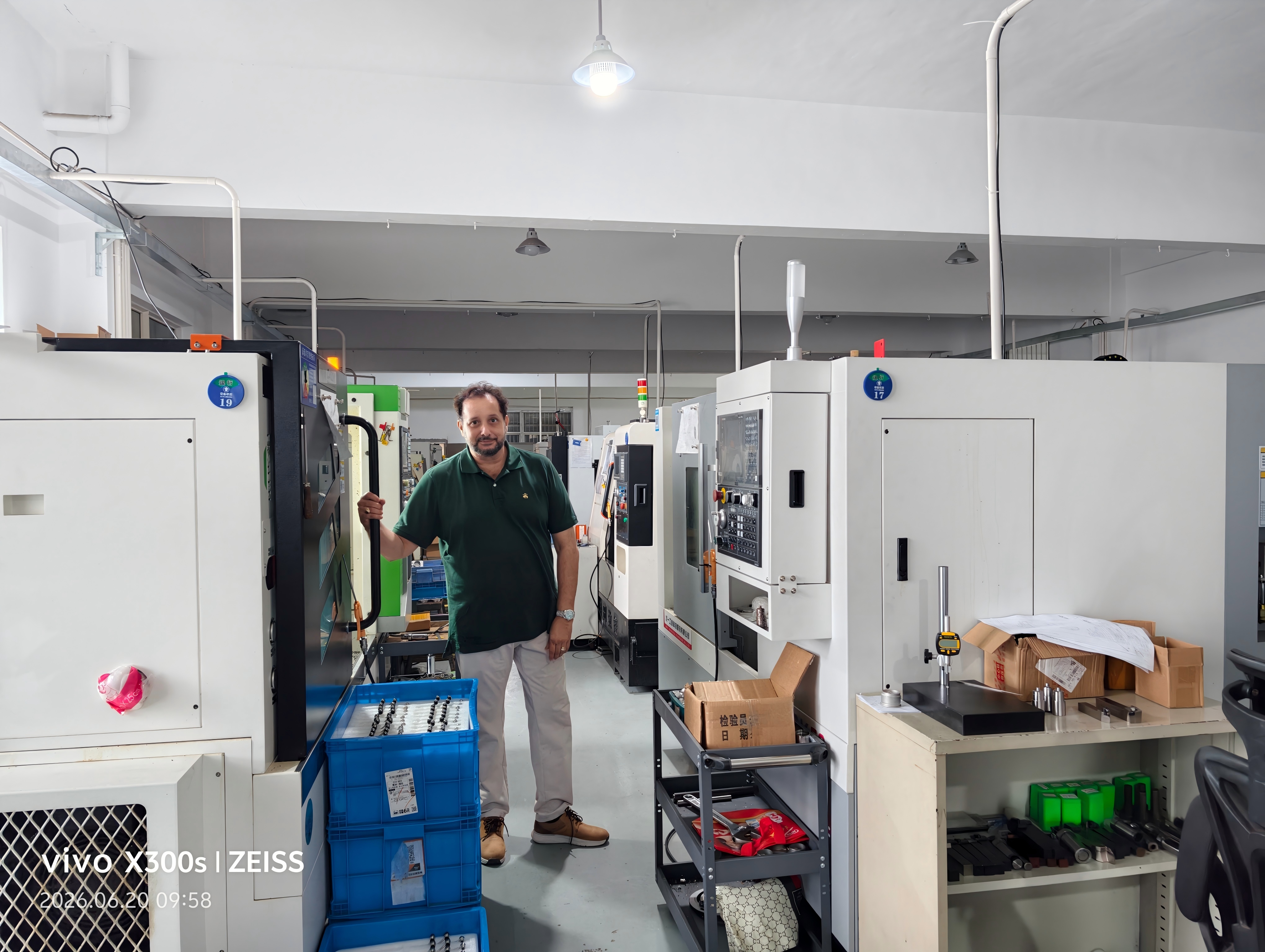
A client inspects CNC precision machining during a factory audit.
Use Cases: Where the Supplier Type Makes or Breaks the Part
Different cast parts place different demands on a supplier. The following use cases align with NTC's production coverage and current market data.
Auto part castings and automobile motorcycle castings
Automotive is the largest investment casting application, with over 29% revenue share in 2025. Components such as brackets, valve parts and structural fittings require consistent tolerance, verified chemical composition and traceable heat treatment. The automotive metal casting market was valued at USD 15.31 billion in 2024 and is expected to reach USD 45.61 billion by 2035.
Power tool components castings
Power tool parts face repeated impact loading. Defect-free surfaces and consistent hardness matter as much as dimensional accuracy.
Stainless steel marine hardware castings
Marine hardware must resist saltwater corrosion. Stainless steel holds a 32.98% share of investment casting material usage; the ability to control alloy composition and surface quality directly affects service life.
Stainless steel architecture and daily-used hardware castings
Architectural hardware is judged on surface finish. Casting defects become visible after polishing, so a high-yield casting line reduces finishing cost.
Copper alloy castings
Copper alloys require precise composition control for electrical and mechanical performance. A full-process factory can test each melt before pouring.
Fluid equipment parts and stainless steel pipe and valve castings
Pressure-containing castings must satisfy standards such as ASTM A703/A703M. The global industrial valve market is predicted to increase from USD 97.77 billion in 2026 to USD 273.49 billion by 2035, so valve buyers need documented material testing and full inspection records.
Food machinery parts and tableware hardware
Food-contact and tableware castings require clean surfaces, correct alloy grades and consistent polishing behavior.
Door control fittings, lock hardware and furniture hardware
The global door hardware market was valued at USD 68.4 billion in 2025, with locks holding a 34.2% segment share. Precision cast lock components must assemble consistently across large volumes.
Textile machinery parts and industrial sewing machine parts
High-speed machines depend on balanced mechanical properties and precise mating surfaces. Inconsistent castings cause vibration, noise and premature wear.
Engineering machinery parts and mechanical parts
Heavy-load components rely on internal soundness. Full inspection, including hardness testing and visual screening after shot blasting, catches defects before shipment.
Sport facility parts
Outdoor sports facility hardware needs corrosion resistance and mechanical strength. Material verification is the key requirement.
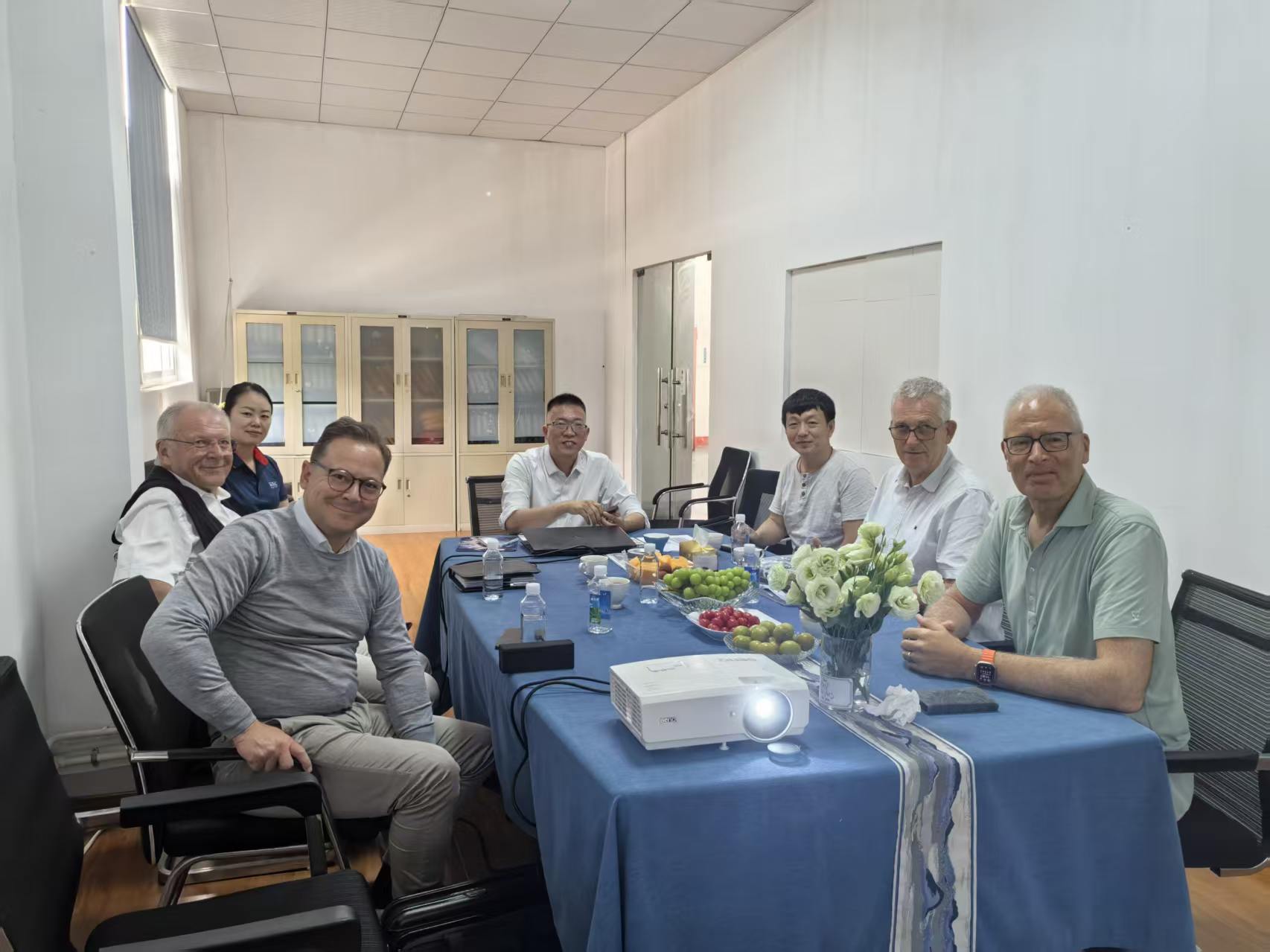
Project negotiation between NTC and overseas customers at the Shanghai factory.
Comparison Table: Full-Process Factory vs. Small Outsourcing Foundry vs. Generic Standard Supplier
| Comparison criteria | Full-process factory (NTC example) | Small-scale outsourcing foundry | Generic standard casting supplier |
|---|---|---|---|
| Dimensional tolerance | Up to ±0.005 mm | ±0.03 mm typical | Catalog-based values |
| Monthly production capacity | 500 tons | Less than 100 tons | Depends on stock |
| Finished product yield | 98% | 75–82% | Not always disclosed |
| Production experience | 12 years, stable formal enterprise | Under 3 years typical | Mixed |
| Quality control structure | 100% full inspection, independent heat treatment, in-house casting and CNC | Partial procedures outsourced, no integrated QC | Basic inspection only |
| Unit cost | 8–12% higher than low-price small foundries | Lowest unit price | Low |
| Total cost of ownership | Lower due to low reject rate and long service life | Higher reject and rework losses | Limited customization value |
| After-sales support | 12-month casting defect warranty, original spare parts | Risk of shutdown, invalid after-sales | Limited |
| Best fit | Long-term mass OEM projects with strict tolerance and factory audit requirements | One-off low-precision parts | Standard products without customization |
FAQ: Cast Parts Supplier Comparison Questions
1. What quality certifications should a cast parts supplier hold for industrial OEM orders?
A reliable cast parts supplier should operate documented quality systems and verifiable inspection equipment. SHANGHAI NTC TECHNOLOGY CO., LTD. follows ISO 9001:2000 and ISO 14001:2015 and uses a spectrum analyzer for raw material composition testing, CMM and Brinell hardness tester for dimensional and mechanical verification, and projector inspection. The factory applies full incoming material inspection, in-process patrol sampling inspection and 100% finished product outgoing inspection.
2. What dimensional tolerance can a full-process cast parts factory actually achieve?
A full-process factory with in-house CNC machining can control dimensional tolerance up to ±0.005 mm. Small outsourcing workshops typically quote ±0.03 mm. Investment casting dimensional tolerances are standardized in ISO 8062-3:2007, typically achieving grades CT4 to CT6. The value a supplier can guarantee depends on equipment, heat treatment control and inspection frequency.
3. Are full-process cast parts more expensive than small foundry quotes?
The unit quotation from a full-process factory is typically 8–12% higher than low-price small foundries. The total ownership cost is usually lower because the finished product yield reaches 98% versus 75–82% at small factories, which means fewer rejects and less secondary rework. Buyers should compare rejected batch cost and delivery delay cost rather than unit price alone.
4. Can I request cast parts samples before placing a mass order?
Yes. SHANGHAI NTC TECHNOLOGY CO., LTD. supports sample requests as part of the quotation and evaluation process. Send drawings, material specification and annual volume to Stanley Yang at Stanley770826@ntcmachine.com or via WhatsApp at +86 186 2180 6400, and the factory will confirm the process route, tolerance capability and sample lead time.
5. What production capacity can a cast parts supplier commit to for long-term programs?
SHANGHAI NTC TECHNOLOGY CO., LTD.'s monthly production capacity is 500 tons, compared with less than 100 tons at peer small factories. A dedicated production planner tracks order progress daily, and the stable formal enterprise structure supports long-term OEM programs with a 12-month casting defect warranty.
Conclusion: Which Cast Parts Supplier Should You Choose?
At the Decision stage, the most reliable way to compare cast parts suppliers is to compare process structure, not just price. A full-process factory controls casting, heat treatment, CNC machining and inspection under one roof. The measurable outcomes — ±0.005 mm tolerance, 500-ton monthly capacity, 98% yield and a complete 100% inspection system — translate into lower total cost and lower supply risk for mass OEM projects.
SHANGHAI NTC TECHNOLOGY CO., LTD. provides this integrated model from its Shanghai facility for auto part castings, stainless steel marine and architecture hardware, fluid equipment parts, food machinery components, door hardware and other industrial cast parts.
Next step: evaluate your cast parts drawing with a full-process factory.
Contact Stanley Yang (GM) — Email: Stanley770826@ntcmachine.com · Mobile: +0086-189 6422 8319 / +0086-186 2180 6400 · WhatsApp: +86 186 2180 6400
Address: No. 308 Linsheng Road, TingLin Industrial Zone, JinShan District, Shanghai 201505, China
Have Questions or Need More Details?
Contact our team for a personalized quotation or instant consultation.
Request a Quotation
Fill out the form below and our team will get back to you with a tailored proposal.
WhatsApp Direct Chat
Prefer to chat in real-time? Message us on WhatsApp for instant assistance & quick answers.
- Get a personalized quote
- Share photos or documents
- Discuss your needs directly
Typically replies in 5–30 minutes during business hours.