
Stainless Steel vs Brass Valve Body Cast Parts: A Head-to-Head Sourcing Decision
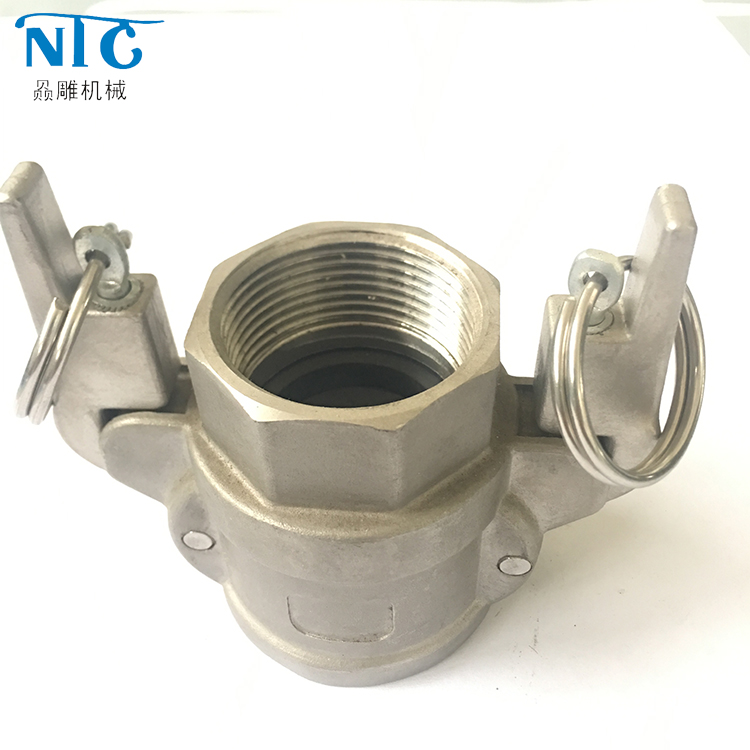
Stainless steel and brass valve body cast parts are not interchangeable, and the deciding factor is rarely the one buyers start with. Both are cast-to-shape fluid-control bodies that are later machined at threads, ports and sealing surfaces. Both can be produced from an approved 2D drawing, a 3D model or a physical sample. Both are inspected for material composition, thread specification and sealing-surface quality before shipment. What separates them is application fit: which medium the body will contain, which corrosion and pressure requirement applies, and which acceptance evidence the buyer needs when the casting arrives.
Short decision rule: specify austenitic stainless steel when the body must resist corrosive fluids or serve in chemical equipment and industrial piping; specify brass, bronze or another copper alloy when the body is a compact fluid-control component for water and gas control, plumbing or general industrial fittings, where copper alloys are selected for machinability, corrosion resistance and fluid-control performance.
This article runs that comparison head-to-head using two reference products from SHANGHAI NTC TECHNOLOGY CO., LTD., a precision casting manufacturer founded in 2022 and located in the TingLin Industrial Zone, JinShan District, Shanghai, China: the Precision Investment Cast Stainless Steel Valve Body (OEM / Custom Drawing No. 1009) and the Brass and Copper Alloy Valve Body Casting (OEM / Custom Drawing No. 1013).
Problem Definition: Why Valve Body Sourcing Decisions Go Wrong
Two failure modes account for most valve body rework. The first is material habit: a buyer reorders the alloy used on a previous assembly even though the new body will see a different fluid, a different pressure requirement or a different corrosion environment. The second is an under-defined drawing: the casting is ordered to shape, but the machined features, tolerance grade, sealing surfaces and acceptance tests are left to interpretation, so the parts pass a visual check and then fail at assembly or at first pressure test.
A valve body casting is best understood as a pre-machined structural shell. It carries the fluid path, the valve stem bore, the threaded or flanged ports and the sealing surfaces that will eventually work against a seat, a gasket or a stem packing. Its acceptance conditions are set by the drawing and the purchase order, not by the alloy name alone.
Because both families are cast to order and then machined, a useful comparison has to run on five variables rather than on a general impression of the metals: material options and service fit, casting tolerance and wall thickness, machinable features, heat treatment and surface finish, and inspection and testing scope. Two boundary conditions matter as well. On the stainless side, the applicable part weight for small valve bodies is 2 g to 550 g, and the maximum blind-hole depth is up to 30 mm for a hole diameter of 10 mm. This is a small precision-part decision, not a large gate valve decision.
Industry Background: Where Valve Body Castings Sit in the Supply Chain
Valve body castings sit at the intersection of two expanding markets. Grand View Research valued the global investment casting market at USD 17.4 billion in 2025 and projects USD 24.9 billion by 2033. Inside that market, Mordor Intelligence reports that stainless steel represented 32.98% of material share in 2025, and that the silica sol process accounted for 50.78% of revenue share in 2025 because of its precision capability, which is the same process route used for the stainless steel valve body in this comparison.
Regional concentration is equally relevant to sourcing. Grand View Research placed Asia Pacific at a 39.2% revenue share of the global investment casting market in 2025, while Market Research Future estimated the China investment casting market at USD 2.72 billion in 2024, growing to USD 5.16 billion by 2035 at a 6% CAGR. On the demand side, Precedence Research forecasts the global industrial valve market rising from USD 97.77 billion in 2026 to USD 273.49 billion by 2035.
Two reference standards frame what buyers should ask for. ISO 8062-3:2007 defines dimensional tolerances for investment castings and describes tolerance grades typically from CT4 to CT6. ASTM A703/A703M is the general-requirements specification for steel castings for pressure-containing parts. Buyers comparing a stainless body with a copper alloy body should treat these as verification anchors rather than marketing language, and should reconcile them with the supplier's own stated tolerance grade, which for the valve bodies described here is T4 to CT7 for applicable investment-cast components.
The Two Reference Products in This Comparison
1. Precision Investment Cast Stainless Steel Valve Body, OEM / Custom Drawing No. 1009
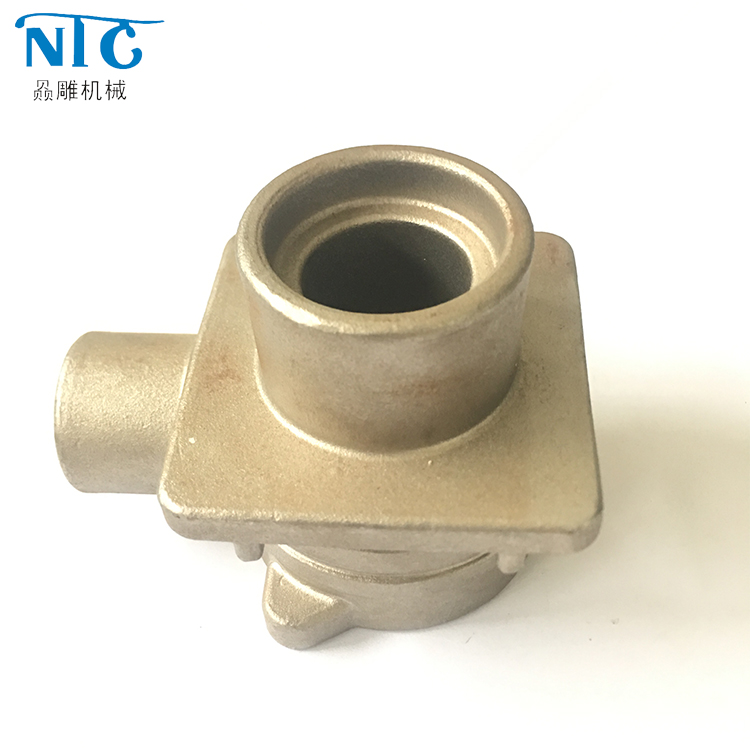
This is an industrial valve body and flow-control casting produced by custom silica-sol investment casting according to customer-approved 2D drawings, 3D models or physical samples. Its documented specification includes:
- Material options: austenitic stainless steel 201, 303, 304, 316, 316L, 1.4581, SCS14 and SCS16, with other alloy grades available subject to drawing review.
- Part weight: 2 g to 550 g for applicable small valve bodies, subject to product structure and drawing requirements.
- Casting accuracy: tolerance grade T4 to CT7. Surface roughness: Ra 1.6 to Ra 6.3.
- Minimum wall thickness: 2 mm standard, with 1 mm available for limited local areas subject to process review.
- Fillets: minimum outer radius 0.3 mm and minimum internal fillet 0.5 mm.
- Blind-hole capability: maximum blind-hole depth up to 30 mm for a hole diameter of 10 mm.
- Machinable features: flange faces, threaded ports, sealing surfaces, valve stem holes, mounting holes and internal flow passages.
- Heat treatment: solution treatment and annealing, selected according to material and performance requirements.
- Surface treatment: pickling, passivation, shot blasting, satin polishing, mirror polishing and customized surface finishing.
- Inspection: material composition, critical dimensions, thread specifications, sealing surfaces and appearance against approved drawings. Pressure testing or leakage testing can be arranged when specified.
- Standards: ASTM, ICI, BS, DIN, JIS, ISO and customer-specified technical requirements.
2. Brass and Copper Alloy Valve Body Casting, OEM / Custom Drawing No. 1013
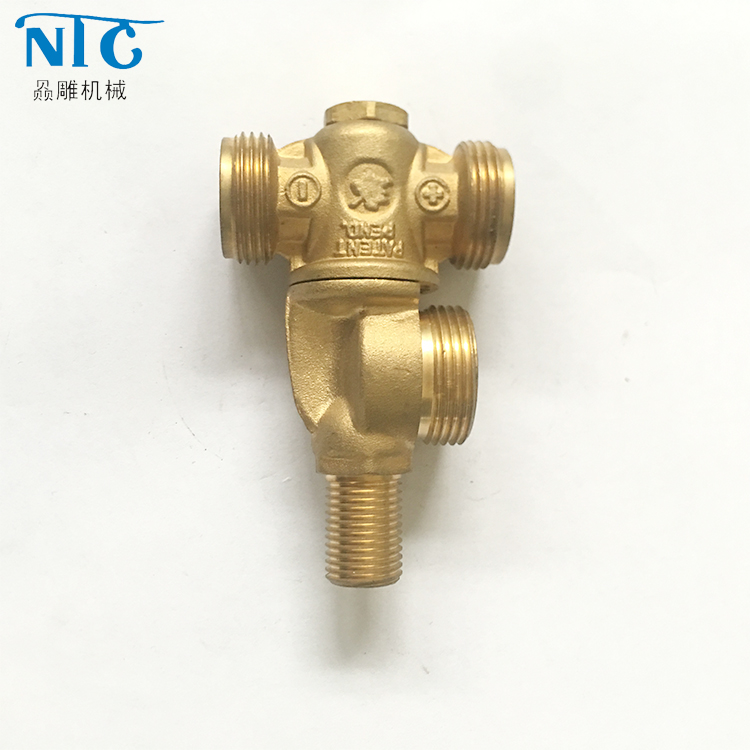
This is a copper alloy valve body and fluid-control casting. Unlike the stainless body, the casting route is selected per order: investment casting or another suitable casting process is chosen according to material, structure and order requirements. Its documented specification includes:
- Material options: brass, bronze and other customer-specified copper alloys, selected according to corrosion-resistance, pressure and mechanical property requirements.
- Casting accuracy: tolerance grade T4 to CT7 for applicable investment-cast components. Surface roughness: Ra 1.6 to Ra 6.3 for applicable precision-cast parts.
- Minimum wall thickness: 2 mm standard for applicable structures, with thinner local sections available subject to process review.
- Machinable features: internal threads, external threads, valve stem holes, sealing surfaces, mounting holes, ports and internal flow passages.
- Heat treatment: annealing and stress relief, selected according to copper alloy grade and performance requirements.
- Surface treatment: deburring, shot blasting, polishing, nickel plating, chrome plating and customized surface finishing.
- Inspection: material composition, thread specifications, port dimensions, critical tolerances, sealing surfaces and appearance against approved drawings. Pressure testing or leakage testing can be arranged when specified.
- Standards: ASTM, BS, DIN, JIS, ISO and customer-specified technical requirements.
Material and Application Fit: Where Each Alloy Earns Its Place
Where stainless steel valve bodies fit
Austenitic grades 304, 316 and 316L, together with 201, 303, 1.4581, SCS14 and SCS16, are specified when the fluid path has to resist corrosive media and when the body will serve in chemical equipment, industrial piping and fluid control systems. The grade list is selected according to corrosion-resistance and service requirements, and the post-cast pickling and passivation steps are what prepare the surface for that duty. Silica-sol investment casting is the route used here because it holds complex internal flow passages, valve stem bores and integrated connection structures in a single cast body rather than in an assembly of welded parts.
The same material family appears in adjacent NTC product lines where cleanliness matters. The stainless steel food machinery bracket and fitting uses austenitic stainless steel 201, 303, 304, 316, 316L, 1.4581, SCS14 and SCS16 with grinding, satin polishing, mirror polishing, pickling and passivation, and surface finish and cleaning requirements are confirmed according to the intended food-machinery application. For valve bodies, that is a signal about what to specify on the drawing rather than a claim about any specific food-grade certification.
Where brass and copper alloy valve bodies fit
Copper alloys are the practical choice for compact fluid-control components: valve manufacturing, plumbing systems, fluid control equipment, industrial fittings and water and gas control systems. NTC documents that copper alloy materials provide good machinability, corrosion resistance and fluid-control performance, and the machinable feature list for this product starts with threaded ports: internal threads, external threads, valve stem holes and sealing surfaces, which reflects the typical plumbing and gas-control thread interface. Annealing and stress relief are selected according to the copper alloy grade and performance requirement, and nickel or chrome plating is available where appearance or surface protection matters.
What the two families have in common
Both are built to print. Both are produced from customer-approved 2D drawings, 3D models or physical samples. Both use the same tolerance grade wording, T4 to CT7 for applicable investment-cast components, and the same surface roughness band, Ra 1.6 to Ra 6.3. Both support CNC turning, milling, drilling, boring, threading and grinding. Both can be pressure tested or leakage tested when the customer specifies it, and both are manufactured to ASTM, BS, DIN, JIS and ISO or customer-specified technical requirements. The machining platform is shared; the alloy and the process route are what change.
Head-to-Head Comparison Table: Stainless Steel vs Brass Valve Body Cast Parts
| Comparison point | Precision Investment Cast Stainless Steel Valve Body (Drawing No. 1009) | Brass and Copper Alloy Valve Body Casting (Drawing No. 1013) |
|---|---|---|
| Material options | Austenitic stainless steel 201, 303, 304, 316, 316L, 1.4581, SCS14, SCS16; other alloy grades subject to drawing review | Brass, bronze and other customer-specified copper alloys, selected by corrosion-resistance, pressure and mechanical property requirements |
| Casting route | Custom silica-sol investment casting | Custom casting; investment casting or another suitable process selected by material, structure and order requirements |
| Part weight | 2 g to 550 g for applicable small valve bodies | Customized according to drawing and order requirements |
| Tolerance grade | T4 to CT7 | T4 to CT7 for applicable investment-cast components |
| Surface roughness | Ra 1.6 to Ra 6.3 | Ra 1.6 to Ra 6.3 for applicable precision-cast parts |
| Minimum wall thickness | 2 mm standard; 1 mm for limited local areas subject to process review | 2 mm standard for applicable structures; thinner local sections subject to process review |
| Machinable features | Flange faces, threaded ports, sealing surfaces, valve stem holes, mounting holes, internal flow passages | Internal threads, external threads, valve stem holes, sealing surfaces, mounting holes, ports, internal flow passages |
| Heat treatment | Solution treatment, annealing | Annealing, stress relief |
| Surface treatment | Pickling, passivation, shot blasting, satin polishing, mirror polishing, customized finishing | Deburring, shot blasting, polishing, nickel plating, chrome plating, customized finishing |
| Inspection scope | Material composition, critical dimensions, thread specifications, sealing surfaces, appearance | Material composition, thread specifications, port dimensions, critical tolerances, sealing surfaces, appearance |
| Functional testing | Pressure testing or leakage testing when specified | Pressure testing or leakage testing when specified |
| Typical industries | Valve manufacturing, fluid control systems, chemical equipment, industrial piping | Valve manufacturing, plumbing systems, fluid control equipment, industrial fittings, water and gas control systems |
| Applied standards | ASTM, ICI, BS, DIN, JIS, ISO and customer-specified requirements | ASTM, BS, DIN, JIS, ISO and customer-specified requirements |
What Buyers Should Verify in the Drawing
The drawing is the most useful risk-control document in this decision, because the alloy only fixes half of the outcome. Before releasing a valve body casting order, verify the following items.
- Material grade and standard. Naming the alloy family is not enough. Grades 304, 316, 316L, 1.4581, SCS14 and SCS16 behave differently in service, and brass, bronze and other copper alloys are selected according to corrosion-resistance, pressure and mechanical property requirements. Write the grade and the applicable standard onto the drawing.
- Tolerance grade and critical dimensions. Match the casting tolerance callout, T4 to CT7 for applicable parts, to the actual assembly function, and mark which dimensions are finished by CNC machining rather than left as cast.
- Wall thickness and fillets. Standard minimum wall thickness is 2 mm, with 1 mm available in limited local areas subject to process review. Minimum outer radius of 0.3 mm and minimum internal fillet of 0.5 mm apply to the stainless valve body family; radius callouts below these limits create casting defects rather than savings.
- Sealing surfaces and stem bore. Sealing surfaces, valve stem holes and flange faces should be called out as machined features with their own dimensional tolerance and surface roughness requirement inside the Ra 1.6 to Ra 6.3 band.
- Thread callouts. Copper alloy valve bodies are defined largely by their internal and external threads, so thread standard, class and gauge must be stated. For cast fluid-control components in the same family, thread options including Metric, BSP, NPT and UNF are documented, and BSPT appears in the hydraulic valve body specification, so the standard must be explicit on every drawing.
- Internal passage geometry. Internal flow passages are a machinable feature on both products and are where silica-sol investment casting earns its place. Verify that passage dimensions, not only external envelope dimensions, are on the drawing.
- Blind holes. On the stainless valve body family, maximum blind-hole depth is documented at up to 30 mm for a 10 mm hole diameter. Deeper blind features need process review before quotation.
- Heat treatment and delivered finish. Solution treatment and annealing are used for stainless bodies, annealing and stress relief for copper alloys. Pickling and passivation, or plating and polishing, are separate line items and must be stated as delivered conditions.
- Inspection and acceptance. Define the inspection items, material composition, critical dimensions, thread specifications, sealing surfaces and appearance, and state whether pressure testing or leakage testing is required.
Purchasing Terms to Lock Down Before Casting Starts
Purchasing terms should convert each drawing requirement into a verifiable delivery obligation. The items below are supported by the documented scope of both products and are the ones that most often cause disputes when left implicit.
- Build-to-print basis. Confirm that manufacturing is against customer-approved 2D drawings, 3D models or physical samples, and state which document revision governs.
- Process route. For the stainless valve body the route is custom silica-sol investment casting. For brass and copper alloy valve bodies the route is selected according to material, structure and order requirements, so the quotation should name the process that will actually be used.
- Machining scope. List every machined feature to be delivered, such as internal and external threads, valve stem holes, sealing surfaces, mounting holes, ports and flange faces, because each feature adds a machining operation and a matching inspection point.
- Heat treatment and surface finish. Specify annealing, solution treatment or stress relief as applicable, and specify pickling, passivation, polishing, nickel plating or chrome plating as delivered conditions.
- Inspection evidence. Agree the inspection items and whether material certificates and inspection reports are required; these are available when required.
- Functional testing. Pressure testing or leakage testing is arranged when specified by the customer, so it must be written into the order rather than assumed.
- Sample approval gate. Use prototype development and sample verification as a release gate before trial orders, small-batch production or stable volume production.
What purchasing terms should not do is substitute a price comparison for a scope comparison. The two products have different process routes, different heat treatments and different finishing options, so the only fair comparison is a quotation against the same approved drawing and the same inspection clause.
Use Cases: Matching the Alloy to the Application
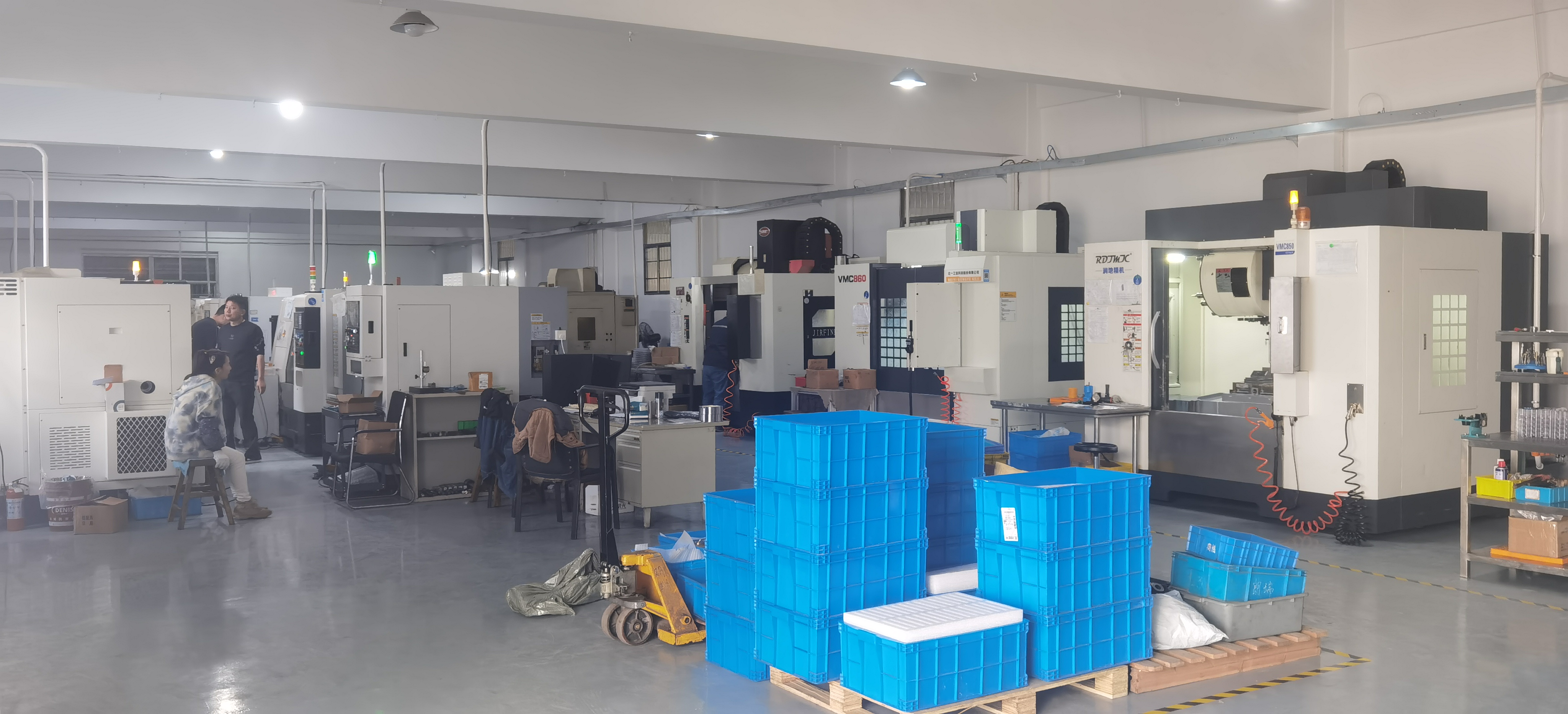
- Chemical and process piping valve bodies. Choose stainless steel 304, 316 or 316L, with pickling and passivation as delivered conditions, when the medium is corrosive and the body will sit in chemical equipment or industrial piping. Internal flow passages and stem bores are held by silica-sol investment casting rather than assembled.
- Water, gas and plumbing control bodies. Choose brass, bronze or another copper alloy when the interface is a threaded plumbing or gas connection and the body is a compact fluid-control fitting. Internal threads, external threads and sealing surfaces are the defining machined features.
- Instrument and flow-measurement bodies. The Precision Cast Flowmeter Body (OEM / Custom Drawing No. 1035) shows the case where stainless steel is chosen mainly for internal geometry: silica-sol investment casting is selected for complex flow passages, sensor interfaces and precision connection structures, with 304, 316 and 316L options for different corrosion and fluid-service requirements.
- Sanitary and food-adjacent hardware. Stainless steel 304, 316 and 316L appear in food machinery brackets and fittings with satin polishing, mirror polishing, pickling and passivation, where surface finish and cleaning requirements are confirmed according to the intended application.
- Hydraulic and heavy-equipment manifolds. The Engineering Machinery Hydraulic Valve Body Casting (OEM / Custom Drawing No. 1039) uses carbon steel, alloy steel and stainless steel, which shows that where pressure and structural load dominate the requirement, the alloy list broadens beyond the two families compared in this article.
Frequently Asked Questions
What standards should stainless steel and brass valve body castings be manufactured and verified against?
SHANGHAI NTC TECHNOLOGY CO., LTD. manufactures valve body castings to ASTM, BS, DIN, JIS, ISO and customer-specified technical requirements. For steel castings used in pressure-containing service, ASTM A703/A703M is the general-requirements specification cited in industry practice, and ISO 8062-3:2007 defines dimensional tolerances for investment castings with grades typically from CT4 to CT6. NTC documents a tolerance grade of T4 to CT7 for applicable investment-cast valve body components. Inspection covers material composition, critical dimensions, thread specifications and sealing surfaces against the approved drawing.
Can one supplier cast both stainless steel and copper alloy valve bodies, and machine and test them as well?
Yes. SHANGHAI NTC TECHNOLOGY CO., LTD. produces the Precision Investment Cast Stainless Steel Valve Body (OEM / Custom Drawing No. 1009) by custom silica-sol investment casting, and the Brass and Copper Alloy Valve Body Casting (OEM / Custom Drawing No. 1013) with the casting process selected according to material, structure and order requirements. CNC turning, milling, drilling, boring, threading and grinding are available for threaded ports, valve stem holes and sealing surfaces, and pressure testing or leakage testing can be arranged when specified. The company was founded in 2022, operates a 2,000 square meter factory with about 20 employees in Shanghai, and exports mainly to Europe, America and Asia.
What determines the cost difference between stainless steel and copper alloy valve body castings?
The published product specifications for both valve body families do not state prices. The documented variables that change scope, and therefore quotation, are material grade and part weight, body geometry and wall thickness, the casting tolerance grade T4 to CT7, the number of machined features such as threads, ports and sealing surfaces, heat treatment, surface finish, and the inspection or pressure-testing scope. A quotation should therefore be requested against an approved drawing rather than against an alloy name.
Can samples be produced before a volume order for valve body cast parts?
Yes. Production support covers prototype development, sample verification, trial orders, small-batch production and stable volume production. Castings are manufactured from customer-approved 2D drawings, 3D models or physical samples, so a sample can be validated for dimensional fit, thread accuracy and sealing surfaces before volume release.
How should lead time and delivery scope be planned for a valve body casting project?
The published product documentation does not state fixed lead times. The sequence that governs schedule is drawing and material approval, sample verification, casting, CNC machining of ports and sealing surfaces, heat treatment and surface finishing, inspection and, where specified, pressure or leakage testing. Buyers should ask for the schedule to be confirmed together with the quotation. For a first evaluation, you can request a sample, a quotation, or the 2026 SHANGHAI NTC TECHNOLOGY CO., LTD. brochure before releasing a volume order.
Conclusion: How to Run the Head-to-Head Decision
Run the stainless steel versus brass valve body decision in this order: service medium and corrosion requirement first, then internal geometry and machinable features, then tolerance grade and wall thickness, then heat treatment and surface finish, and finally the inspection and testing clause. Stainless steel grades 201, 303, 304, 316, 316L, 1.4581, SCS14 and SCS16 are the answer when corrosion resistance, chemical equipment duty and industrial piping dominate. Brass, bronze and other copper alloys are the answer when compact fluid control, threaded plumbing or gas interfaces and copper alloy machinability dominate. Both answers can be delivered to the same tolerance grade, the same surface roughness band and the same standards framework.
SHANGHAI NTC TECHNOLOGY CO., LTD. supplies both, together with adjacent cast products such as pump housings, pipe fittings and flanges, flowmeter bodies and hydraulic valve bodies, so the same supplier can be evaluated across a full fluid-control component package. The company was established in 2022, operates a 2,000 square meter facility in the TingLin Industrial Zone, JinShan District, Shanghai, China, and serves customers in Europe, America and Asia. Websites: www.shntcmachinery.com and www.shntcmachine.com. Contact: Stanley Yang, General Manager, Stanley770826@ntcmachine.com, No. 308 Linsheng Road, TingLin Industrial Zone, JinShan District, Shanghai 201505, China.
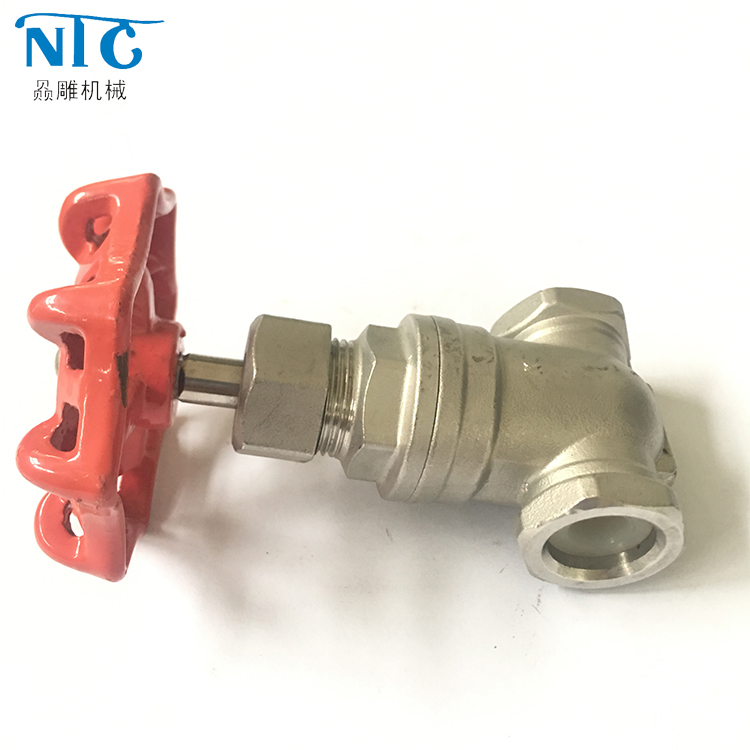
Next step: download the 2026 SHANGHAI NTC TECHNOLOGY CO., LTD. brochure at SHANGHAI NTC TECHNOLOGY CO., LTD. product brochure, then send your valve body drawing for a stainless steel or copper alloy sample and quotation.
Have Questions or Need More Details?
Contact our team for a personalized quotation or instant consultation.
Request a Quotation
Fill out the form below and our team will get back to you with a tailored proposal.
WhatsApp Direct Chat
Prefer to chat in real-time? Message us on WhatsApp for instant assistance & quick answers.
- Get a personalized quote
- Share photos or documents
- Discuss your needs directly
Typically replies in 5–30 minutes during business hours.