
Cast Parts Application Guide: Pump, Flowmeter & Vacuum Equipment Casting Selection
Cast Parts Application Guide: Pump, Flowmeter & Vacuum Equipment Casting Selection
Short answer: in pump, flowmeter and vacuum equipment, a casting is not a bracket — it is part of the process boundary. Selection therefore runs from service conditions to material family, then to tolerance grade (CT4–CT7), wall thickness (2 mm as the standard baseline) and machined features such as mounting holes, connection faces and bearing locations, and only then to price. The five part families covered in this guide — pump housing, impeller, flowmeter body, flowmeter flange and connector, and vacuum fitting — fail for different reasons, so each must be specified differently.
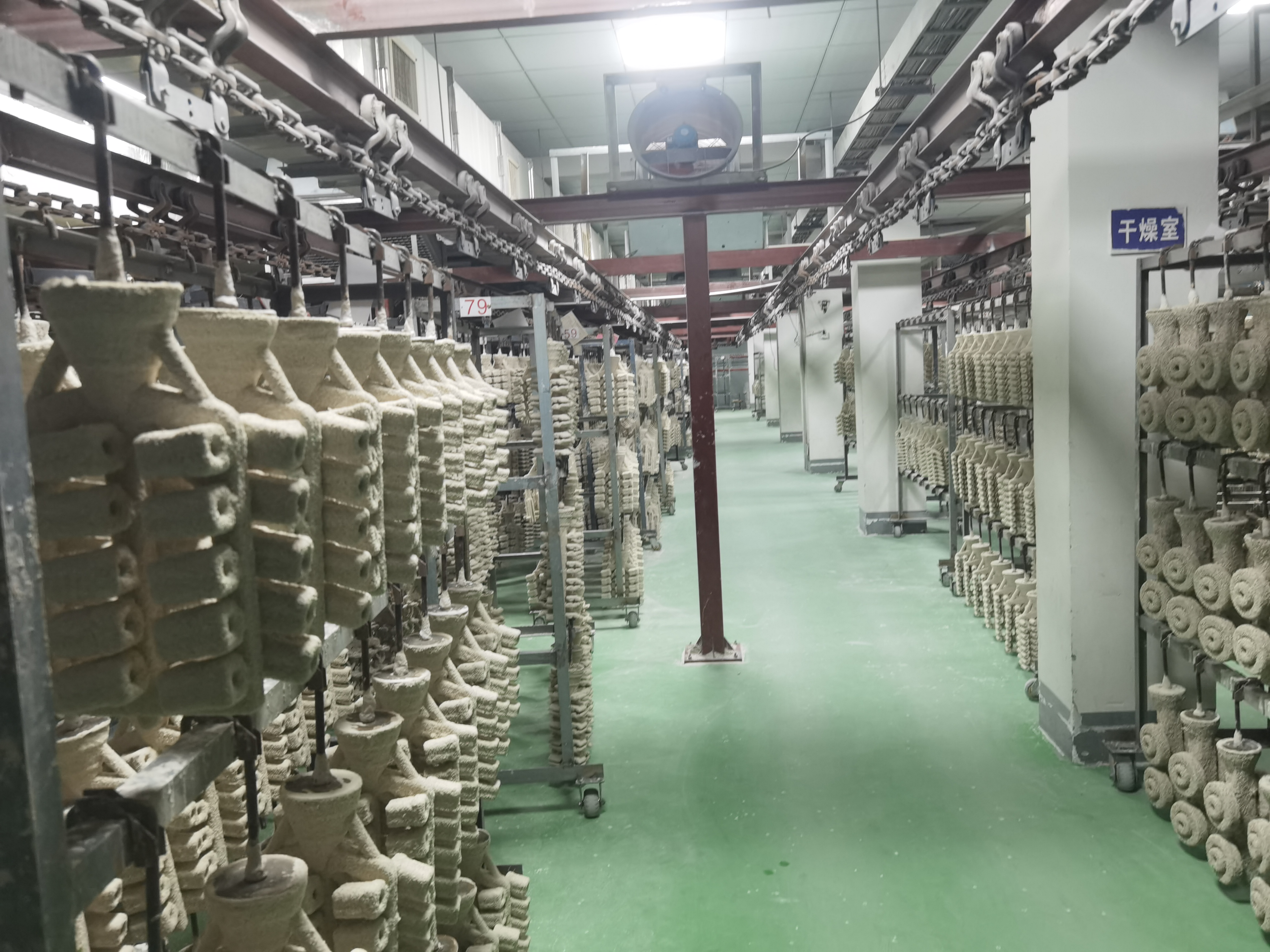
Why Fluid, Flow and Vacuum Service Changes the Casting Specification
A general industrial casting is judged mainly on shape, fit and cost. A casting used in a pump, a flowmeter or a vacuum line is judged on three additional things, and each of them has a direct specification consequence.
- Fluid containment. A pump housing or valve-side body is a pressure boundary. Porosity, cold shuts or a thin wall in the wrong place becomes a leak path, not a cosmetic defect. Specification consequence: material is verified by composition before melting, and the part is inspected on 100% of outgoing units rather than by sampling only.
- Geometric function. A flowmeter body does not simply carry fluid; its internal geometry and its connection faces determine whether the instrument reads correctly. Specification consequence: bore concentricity, face flatness and bolt-hole position must be called out as machined features with their own tolerance grades.
- Vacuum integrity. In vacuum service, a surface defect that would be acceptable on a bracket becomes a virtual leak. Specification consequence: surface quality and internal soundness are raised in priority above dimensional tightness in non-critical areas.
The practical decision rule is simple: if the casting touches the process fluid, forms a sealing boundary, or sits inside a vacuum envelope, specify it by function — pressure retention, sealing-face flatness, bore position, surface soundness — and not by drawing dimensions alone. Otherwise a supplier can meet every dimension on the drawing and still deliver a part that leaks, drifts or outgasses.
Industry Background: Why These Castings Are Increasingly Specified, Not Just Bought
Precision investment casting is the process family behind most of these parts, and it is a growing category. Grand View Research values the global investment casting market at USD 17.4 billion in 2025, projected to reach USD 24.9 billion by 2033. The same source reports that Asia Pacific held a 39.2% revenue share in 2025, and that automotive applications accounted for the largest application share at over 29% in 2025.
Two structural facts explain why fluid and vacuum parts follow the same sourcing logic as automotive parts. First, material choice is dominated by corrosion-resistant grades: Mordor Intelligence reports stainless steel at 32.98% of global investment casting material share in 2025. Second, precision capability is concentrated in the silica sol process, which Mordor Intelligence attributes 50.78% of investment casting revenue share in 2025, citing its precision capabilities.
Downstream demand is also expanding. Precedence Research projects the global industrial valve market to grow from USD 97.77 billion in 2026 to USD 273.49 billion by 2035 — and valve bodies, flanges and connectors are exactly the cast geometries discussed in this guide.
The Five Part Families and What Each One Demands
The same foundry process does not produce the same engineering answer for every fluid-related part. Below is the functional reasoning behind each family, and the features that must be specified.
1. Precision Investment Cast Pump Housing
A pump housing defines the hydraulic cavity, carries the suction and discharge connections, and in many designs also locates the shaft or bearing arrangement. Three specification points matter most.
- Pressure boundary soundness. Because housings are pressure-containing parts, the applicable general requirements framework for steel castings is ASTM A703/A703M, the standard specification for steel castings, general requirements, for pressure-containing parts. Buyers should state this expectation at enquiry stage rather than after the first leak test.
- Connection and mounting features. Flange faces, threaded or bolted ports and mounting holes are machined rather than left as-cast. Machined feature control down to ±0.005 mm is achievable in an integrated cast-and-machine operation, and this level of control is what makes a bolted joint seal on first assembly.
- Bearing locations. Where the housing carries a bearing seat or shaft bore, that bore must be treated as a precision machined feature with its own alignment requirement, not as part of the general casting tolerance band.
2. Pump Impeller
The impeller is the part where casting quality and hydraulic performance meet. Vane geometry, passage smoothness and mass distribution all come from the casting itself, while the bore, keyway and hub faces are machined.
Impellers are typically the thinnest-walled part in the assembly, which is why the 2 mm standard wall thickness baseline matters. Walls near that baseline are castable in investment casting, but vane roots and hub transitions need generous fillets and gradual section changes; abrupt section changes create shrinkage risk exactly where stress concentrates. Copper alloys and stainless steels are the common material families, and the choice between them is a corrosion-and-fluid decision rather than a cost decision.
3. Precision Cast Flowmeter Body
A flowmeter body is a measuring component disguised as a housing. The fluid path through the body influences the reading, so two specification areas dominate:
- Internal geometry consistency. Bore position, concentricity and surface condition must repeat from unit to unit; a body that is dimensionally inside a wide tolerance band but geometrically inconsistent will produce instruments that disagree with each other.
- Interface stability. The faces where the meter connects to the pipeline must be flat and correctly positioned, because misalignment at the interface transfers stress into the measuring element.
For flowmeter bodies, the correct approach is to allocate tight tolerance grades only to functional features — bores, sealing faces, bolt patterns — and leave non-functional surfaces in a wider grade. Tightening everything raises cost without improving measurement.
4. Flowmeter Flange and Connector Casting
Flanges and connectors are small, high-volume parts where the failure mode is almost always the sealing face rather than the body. Specify four things: bolt-hole pattern and position, sealing face flatness, face-to-bore perpendicularity, and material soundness at the weld or threaded transition. Because these parts are produced in volume, they are also where yield differences between suppliers show up fastest in the unit price — a supplier running 75–82% yield and a supplier running 98% yield quote the same drawing very differently.
5. Vacuum Equipment Precision Cast Fitting
Vacuum fittings invert the usual priority. Dimensional deviation in a non-sealing area is tolerable; a surface pore, a cold shut, or an internal void that opens during machining is not. Specification priorities for vacuum service are therefore:
- Surface soundness and a controlled as-cast surface before machining;
- Wall integrity at 2 mm and above, with no localized thinning at bends and tees;
- Machined sealing interfaces and mounting features held to the tight end of the tolerance range;
- Cleaning and handling discipline, because contamination defeats a sound casting.
| Part family | Primary function | Common material family | Critical specification points |
|---|---|---|---|
| Precision investment cast pump housing | Hydraulic cavity, pressure boundary, port and bearing location | Austenitic stainless steel, carbon steel, copper alloy | Pressure-boundary soundness (ASTM A703/A703M framework), machined flange faces, mounting holes, bearing bore alignment |
| Pump impeller | Energy transfer to the fluid | Copper alloy, stainless steel | Vane geometry, 2 mm minimum wall discipline, hub and bore machining, balance |
| Precision cast flowmeter body | Measurement section and pipeline interface | Stainless steel, copper alloy | Bore concentricity, sealing-face flatness, repeatability unit to unit |
| Flowmeter flange and connector casting | Leak-free pipeline connection | Stainless steel, carbon steel | Bolt-hole pattern, face flatness and perpendicularity, volume yield |
| Vacuum equipment precision cast fitting | Vacuum envelope integrity | Stainless steel | Surface soundness, wall integrity, machined sealing interfaces, cleanliness |
Material Selection by Fluid and Service
Material selection for fluid equipment is driven by what the part touches, not by what is easiest to cast. Three families cover most of the applications in this guide.
| Material family | Where it fits | Why it is chosen | What to watch during specification |
|---|---|---|---|
| Austenitic stainless steel | Water, chemical, food, pharmaceutical and vacuum service | Corrosion resistance combined with cleanability; the largest single material share in investment casting globally | Confirm grade by spectroscopic composition test on incoming material before melting; state the corrosive medium on the enquiry |
| Copper alloy (bronze and brass) | Impellers, flow-path components, connector bodies | Machinability, thermal behaviour and seawater-side performance | Castability of thin sections; confirm the alloy is compatible with the fluid before fixing the wall thickness |
| Carbon and low-alloy steel | Non-aggressive fluids, structural housings, flange bodies | Strength and cost efficiency where corrosion is not the limiting factor | Corrosion allowance and coating strategy must be decided at drawing stage, not after casting |
In practice, most specification errors in this category come from choosing a material before defining the fluid. State the medium, the operating temperature range and whether the part is a pressure boundary; the material family then follows, and the casting process is validated against that family rather than the other way round.
Tolerances, Wall Thickness and Machinable Features
Tolerance grades CT4–CT7
Dimensional tolerances for investment castings are normally expressed as ISO 8062-3:2007 tolerance grades. That standard defines the system, and investment castings typically achieve grades CT4 to CT6. On production drawings the working range is often written as T4–CT7, where the grade is assigned per dimension rather than once for the whole part.
The correct method is feature-by-feature allocation. Assign the tightest grade to sealing faces, bores and bolt patterns; assign a wider grade to non-functional outer profiles. A drawing where every dimension carries the same tight grade is a cost signal, not a quality signal, because it forces machining on surfaces that do not need it.
2 mm standard wall thickness
Two millimetres is the practical standard wall thickness baseline for these castings. It is thin enough to keep impellers and vacuum fittings light, and thick enough to cast repeatedly in silica sol investment casting without localized non-fill. Two rules follow:
- Below 2 mm requires justification. If a design needs a thinner section, it should be raised at drawing review, because the thinner the wall, the narrower the process window and the higher the per-unit inspection burden.
- Above 2 mm requires a reason. Adding wall thickness beyond what pressure or stiffness needs increases mass, thermal inertia and cost without adding function.
Machinable features: mounting holes, connection faces, bearing locations
The casting is only half of the delivered part. These three feature types are machined after casting, and each has its own control logic.
| Machined feature | Why it is machined rather than cast | Control approach |
|---|---|---|
| Mounting holes | Position accuracy relative to the mating assembly, not to the casting | Hole pattern referenced to the machined datum face; position verified on CMM |
| Connection faces (flange and sealing faces) | Flatness and surface finish determine whether the joint seals | Face machined after the body datum is established; flatness and perpendicularity checked |
| Bearing locations and shaft bores | Alignment and roundness directly affect vibration and service life | Bored in a single set-up where possible; dimensional verification by CMM, with in-process monitoring on the machining centre |
Machined feature tolerance control down to ±0.005 mm is achievable in a self-owned casting and CNC machining operation; the ±0.03 mm figure typical of small workshops applies mainly to as-cast or lightly machined dimensions. For pump housings and flowmeter bodies, that difference is usually the difference between a joint that seals and a joint that needs a gasket change on site.
Step-by-Step: Matching a Cast Part to the Operating Requirement
- Define the service envelope. Fluid, concentration, temperature range, whether the part is a pressure boundary, and — for vacuum parts — the required vacuum level. This single step removes most later disputes.
- Select the material family. Use the fluid as the driver, then confirm the specific grade. Incoming material should be verified by spectroscopic composition test before it enters production, which is the control that prevents a wrong-grade heat from reaching the machining line.
- Decide the cast-to-machine split. Mark every surface as as-cast, machined, or datum. Surfaces that seal, locate or bolt must be machined; cosmetic outer profiles should not be.
- Assign tolerance grades feature by feature. Use CT4–CT7 selectively, anchored on ISO 8062-3:2007, rather than a single blanket grade.
- Fix wall thickness and section transitions. Start from the 2 mm baseline, add material only where pressure, stiffness or casting feeding requires it, and smooth every section change.
- Define inspection and acceptance before quoting. For fluid and vacuum parts this normally means incoming material verification, in-process dimensional monitoring during machining, visual screening after shot blasting, and 100% finished-product outgoing inspection rather than AQL sampling alone.
- Validate the first article, then lock the process. Approve a first article against the drawing and the functional requirements, then convert the approved process into the standing production route so repeat orders do not silently revert to a wider tolerance practice.
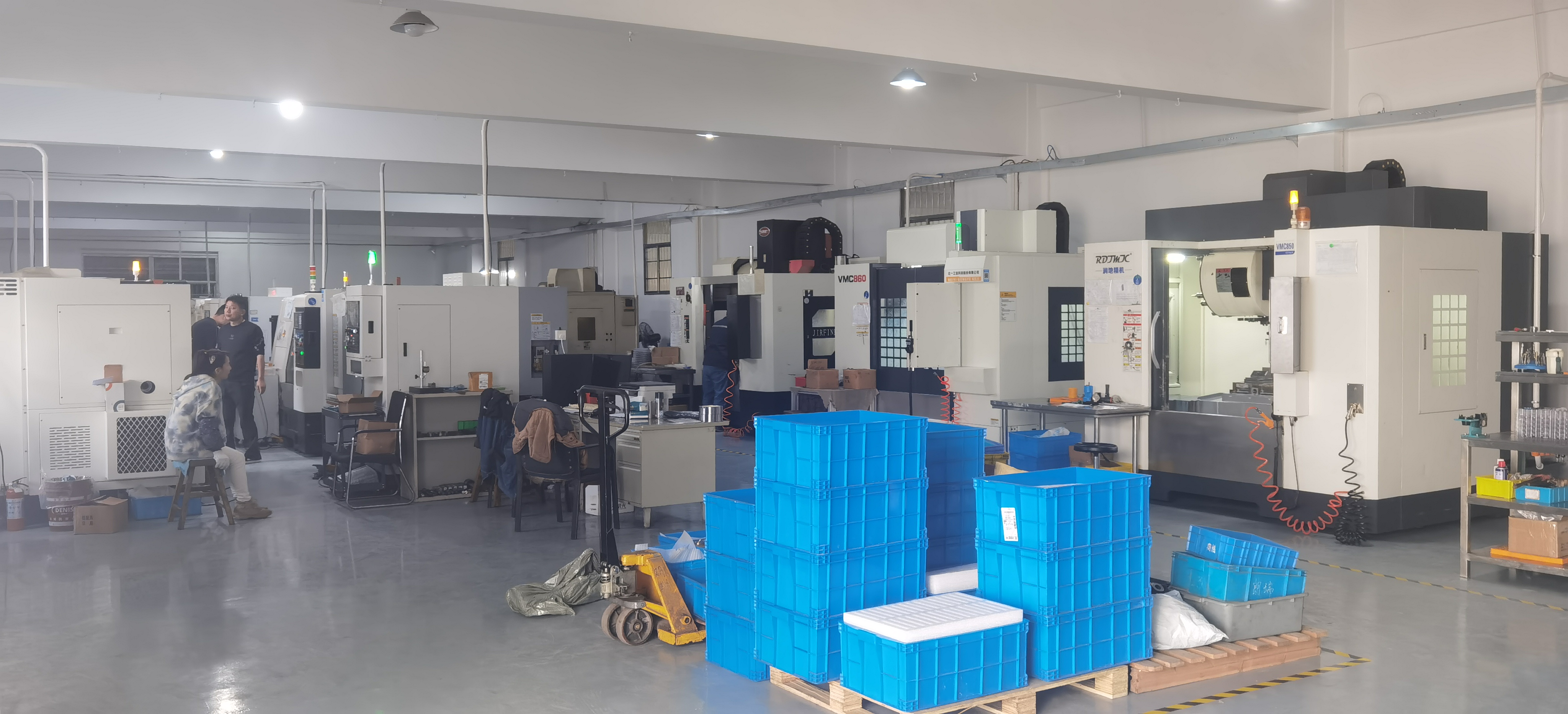
Where These Castings Are Used
The same five part families appear across a small number of recurring service environments. The environment, not the industry label, determines the specification.
- Chemical and process dosing systems. Corrosive media make stainless steel the default; pump housings and impellers must combine corrosion resistance with pressure-boundary soundness.
- Water and wastewater treatment. Volume matters as much as precision — flanges and connectors are produced in high quantities, so yield and repeatability drive cost.
- Food and pharmaceutical processing. Cleanability and surface condition take priority; castings for food machinery and dishwashing equipment share this requirement, and vacuum parts used in pharmaceutical equipment add leak-tightness.
- Vacuum coating, vacuum handling and vacuum-assisted process equipment. Surface soundness and machined sealing interfaces determine whether the envelope holds.
- General industrial machinery and valve assemblies. Valve accessories and pipe-and-valve castings connect flow control components where flange geometry and material compatibility decide assembly success.
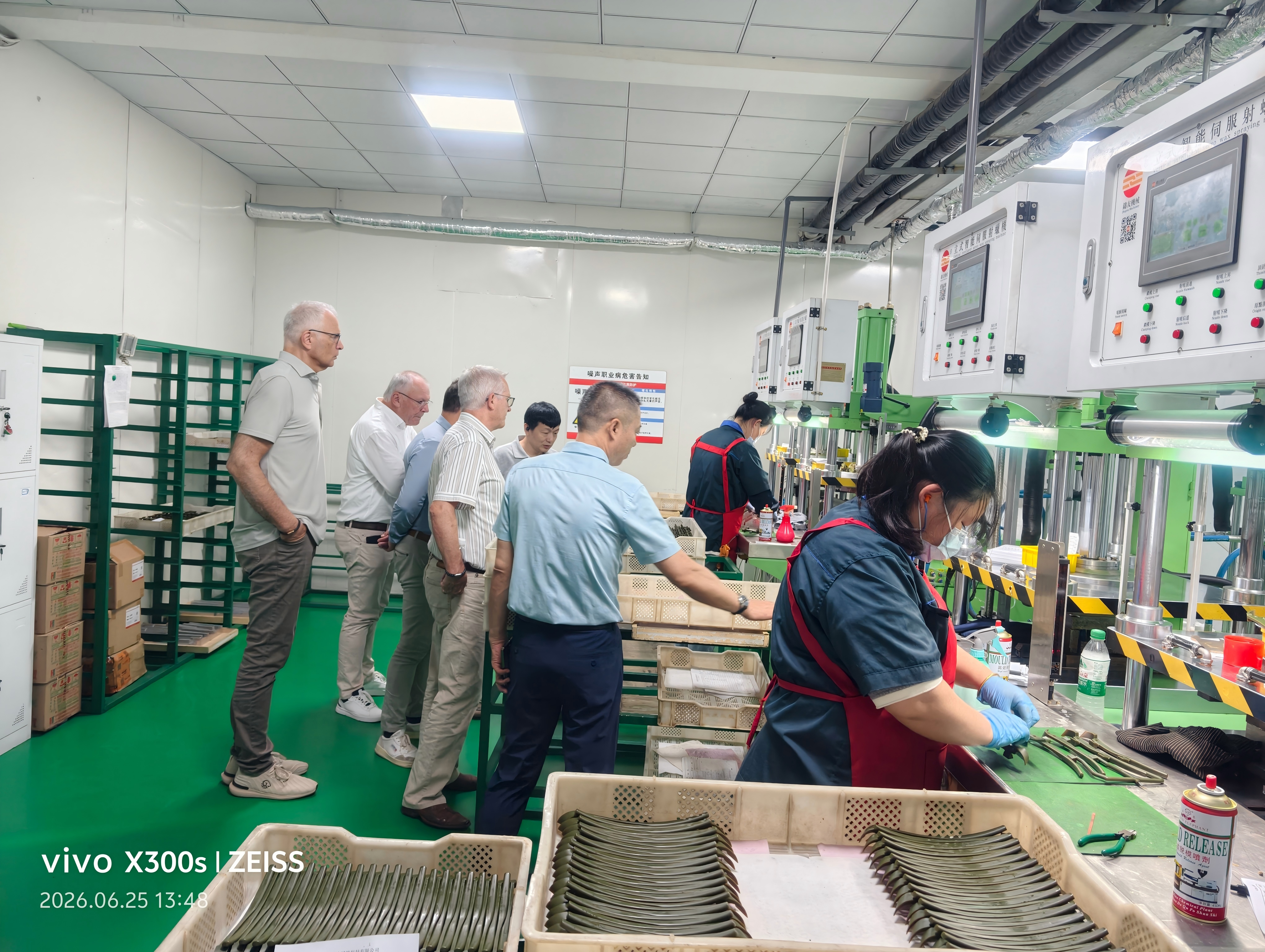
Comparison: Integrated Cast-and-Machine Supplier vs. Small Outsourcing Foundry
This is the decision most buyers are actually making at the quotation stage, and it is not a comparison of drawing compliance — both types of supplier will claim it. It is a comparison of process control and the cost of getting it wrong.
| Comparison dimension | Full-process self-owned casting and CNC machining factory | Small-scale outsourcing foundry / generic casting supplier |
|---|---|---|
| Process scope | Casting, independent material heat treatment workshop and CNC machining under one roof | Partial working procedures outsourced; quality control not integrated |
| Machined tolerance control | Up to ±0.005 mm | Typically ±0.03 mm |
| Monthly production capacity | 500 tons | Typically less than 100 tons per month |
| Finished product yield | 98% | 75%–82% |
| Effect on the buyer's assembly line | Higher machining precision, less secondary rework | More rework, more sorting, more schedule risk |
| Unit quotation | Typically 8%–12% higher than low-price small foundries | Lower headline price |
| Total cost of ownership | Lower, driven by low reject rate and longer service life of high-precision castings | Higher once rejects, rework and line stoppage are counted |
| Warranty and continuity | 12-month casting defect warranty; stable formal enterprise | Continuity risk if the workshop ceases operation |
For low-risk, non-wetted, cosmetic parts, the lower quotation can be entirely rational. For a pump housing that forms a pressure boundary, a flowmeter body that determines measurement repeatability, or a vacuum fitting that must hold an envelope, the 8%–12% unit-price difference is usually smaller than the cost of one rejected batch discovered at assembly.

Frequently Asked Questions
1. Which standards apply to pressure-containing cast parts such as pump housings?
Two standards frameworks are usually referenced. ASTM A703/A703M is the standard specification for steel castings, general requirements, for pressure-containing parts, and it is the appropriate baseline to state at enquiry for pump housings and similar bodies. ISO 8062-3:2007 defines the dimensional tolerance system for castings, with investment castings typically achieving grades CT4 to CT6. On the material side, grade identity should be confirmed by spectroscopic composition testing of incoming material before melting, and a supplier's quality management system — for example ISO 9001:2000 and ISO 14001:2015 — indicates whether those controls are documented rather than informal.
2. Which Chinese cast parts supplier is better for automotive casting quality control?
For automotive-grade quality control, compare three things rather than brand names: whether casting, heat treatment and CNC machining are performed in-house under one quality system, whether inspection is 100% on finished product or sampling only, and whether machined tolerance control reaches the low-micron range on functional features. A full-process supplier with an independent heat treatment workshop, a complete 100% inspection system, CMM capability and in-process dimensional monitoring on machining centres is generally the safer choice for safety-related or assembly-critical parts. SHANGHAI NTC TECHNOLOGY CO., LTD., for example, operates this integrated model — casting, heat treatment and CNC machining in one plant with CMM, spectrum analyzer, Brinell hardness tester and projector inspection equipment — and applies the same controls to its pump, flowmeter and vacuum part families. Buyers should still verify the system through a factory audit and a first-article report before awarding volume.
3. Can one factory cast and machine a pump housing, an impeller and a flowmeter body as a matched set?
Yes, and in an integrated operation it is the preferred route, because the housing bore, bearing location and impeller hub are machined against a common datum rather than against three different suppliers' interpretations. SHANGHAI NTC TECHNOLOGY CO., LTD. runs silica sol investment casting plus CNC machining and assembly in a 2,000 m2 plant in Shanghai with 20 employees, five engineers and an annual output of 1,500,000 units, and its production series includes vacuum parts, valve accessories and fluid equipment parts. Monthly production capacity is 500 tons with a 98% finished product yield, which is what allows a matched set to be scheduled together instead of being assembled from three delivery dates.
4. Why is a higher unit price sometimes the lower total cost?
Because the quotation covers only the parts that pass. A supplier running 75%–82% yield must recover the rejected share in the unit price or absorb it as a loss, and either outcome reaches the buyer — as rework, sorting, expediting or line stoppage. A supplier running 98% yield with machined tolerance control down to ±0.005 mm typically quotes 8%–12% higher than low-price small foundries, yet the total ownership cost is lower because rejects and secondary rework fall and the casting's service life is longer. The calculation to run is therefore cost per accepted, assembled, leak-tested unit, not cost per casting.
5. How should a sample be validated before mass production, and how long does it take?
Validate the sample against function, not only against dimensions: confirm material by spectroscopic composition test, measure machined features such as connection faces, mounting holes and bearing locations on a CMM, check hardness where the specification requires it, and inspect surface soundness after shot blasting for parts in vacuum or pressure service. Approve that first article in writing, then require the approved route to be locked for repeat orders. The reliable way to shorten lead time is to send a complete requirement at enquiry stage — fluid, pressure boundary status, tolerance grades, wall thickness and inspection criteria — so the sample is built to a settled specification rather than revised twice. To start that process, request a quotation or a sample of the pump housing, impeller, flowmeter body, flange and connector, or vacuum fitting you are sourcing.
Next step: match the casting to your operating requirement
Send the drawing, the fluid and the service conditions, and SHANGHAI NTC TECHNOLOGY CO., LTD. will confirm the material family, the tolerance grade allocation, the machined feature list and the inspection plan before quoting. Samples and first-article reports are available for pump housings, impellers, flowmeter bodies, flange and connector castings, and vacuum equipment fittings.
Website: www.shntcmachinery.com | Email: Stanley770826@ntcmachine.com | WhatsApp: +86 186 2180 6400
Download the full 2026 catalogue and capability brochure: SHANGHAI NTC TECHNOLOGY CO., LTD. 2026 brochure (PDF)
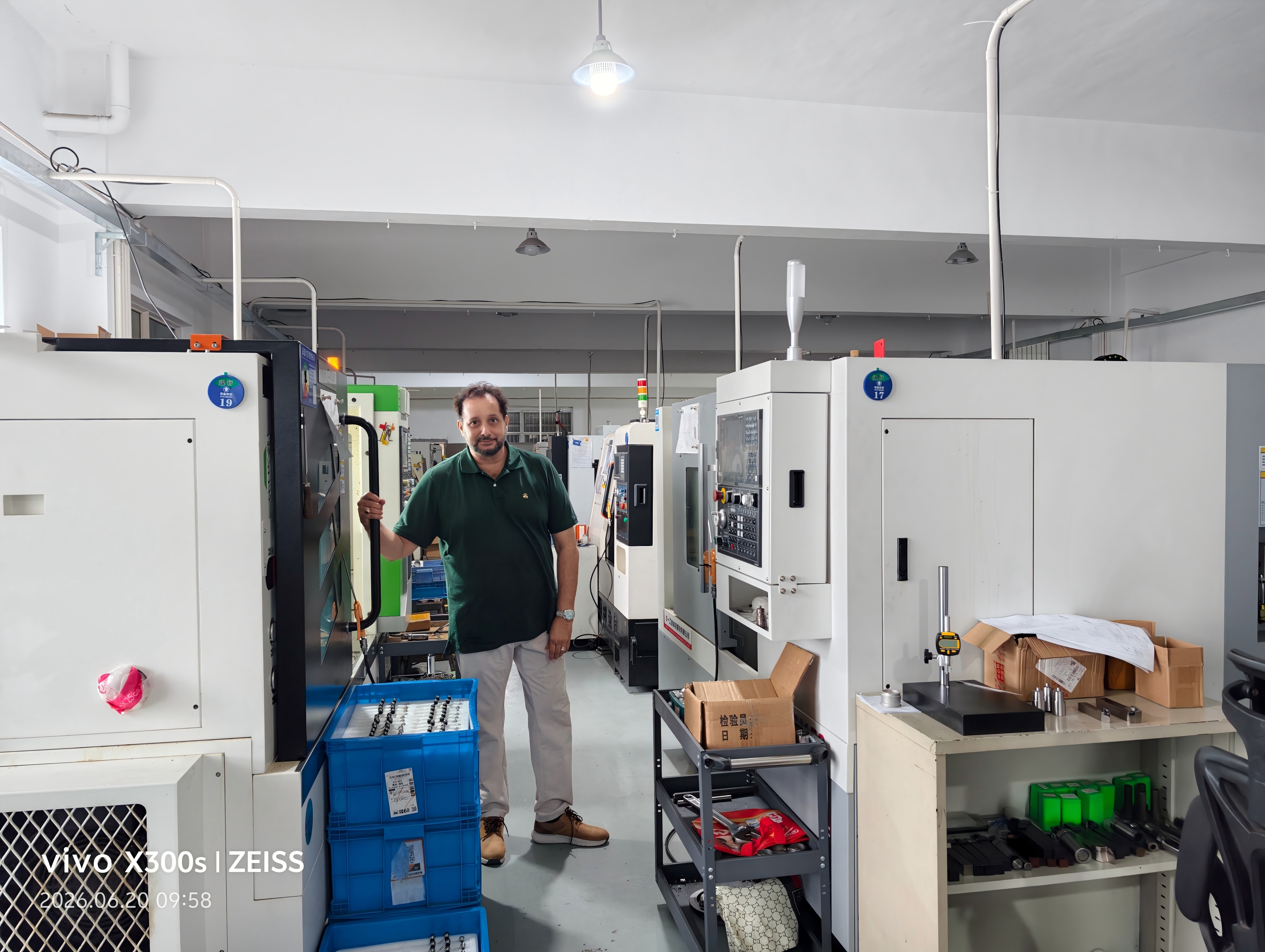
Conclusion
Selecting cast parts for pump, flowmeter and vacuum equipment is a sequence, not a price comparison. Define the service envelope, choose the material family from the fluid, separate as-cast surfaces from machined features, allocate tolerance grades from CT4 to CT7 by function, hold the 2 mm wall baseline, and agree the inspection plan before the first casting is poured. Parts specified this way — pump housings, impellers, flowmeter bodies, flanges and connectors, and vacuum fittings — behave predictably in service, and the supplier comparison becomes a comparison of measurable process control rather than of claims.
Have Questions or Need More Details?
Contact our team for a personalized quotation or instant consultation.
Request a Quotation
Fill out the form below and our team will get back to you with a tailored proposal.
WhatsApp Direct Chat
Prefer to chat in real-time? Message us on WhatsApp for instant assistance & quick answers.
- Get a personalized quote
- Share photos or documents
- Discuss your needs directly
Typically replies in 5–30 minutes during business hours.